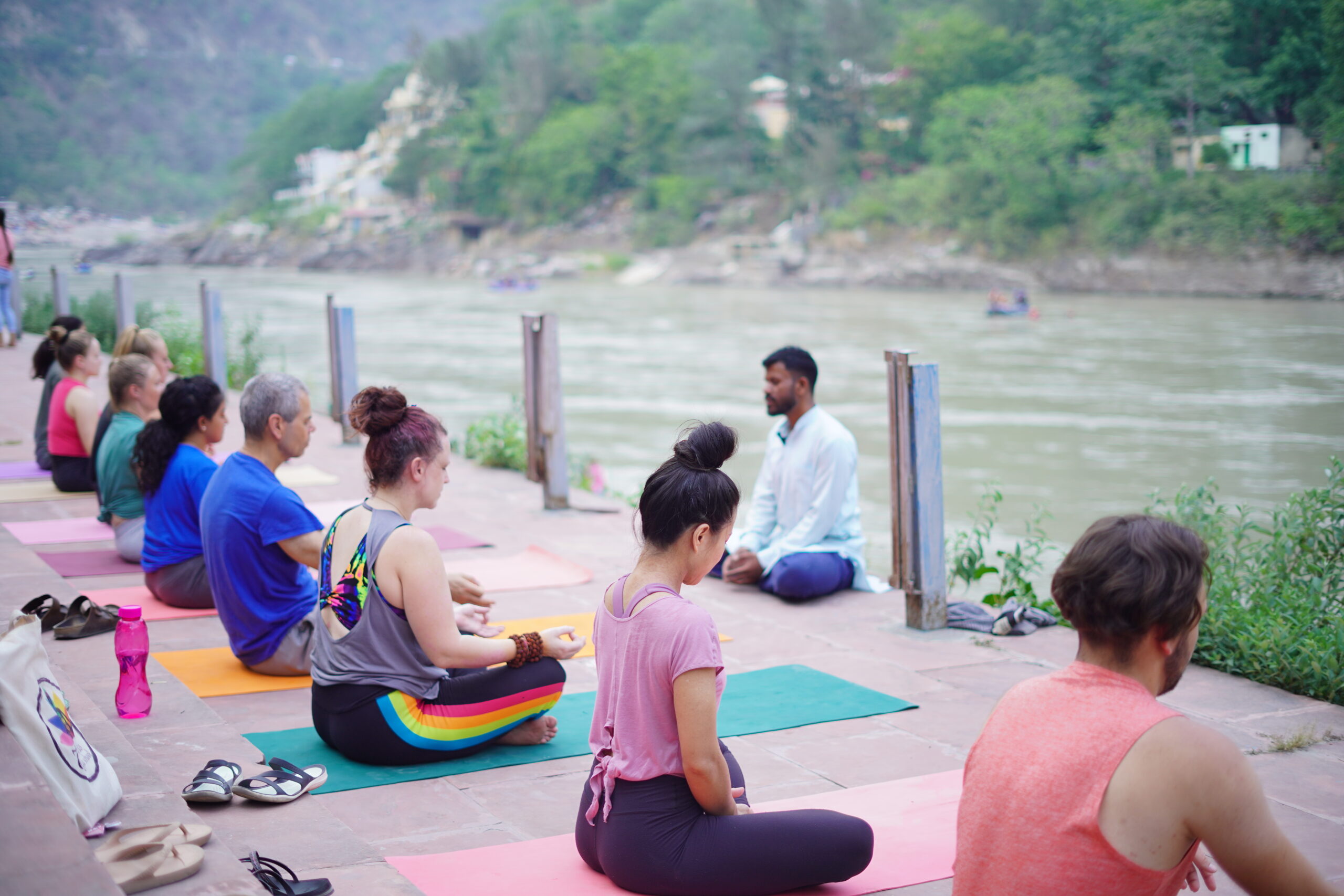
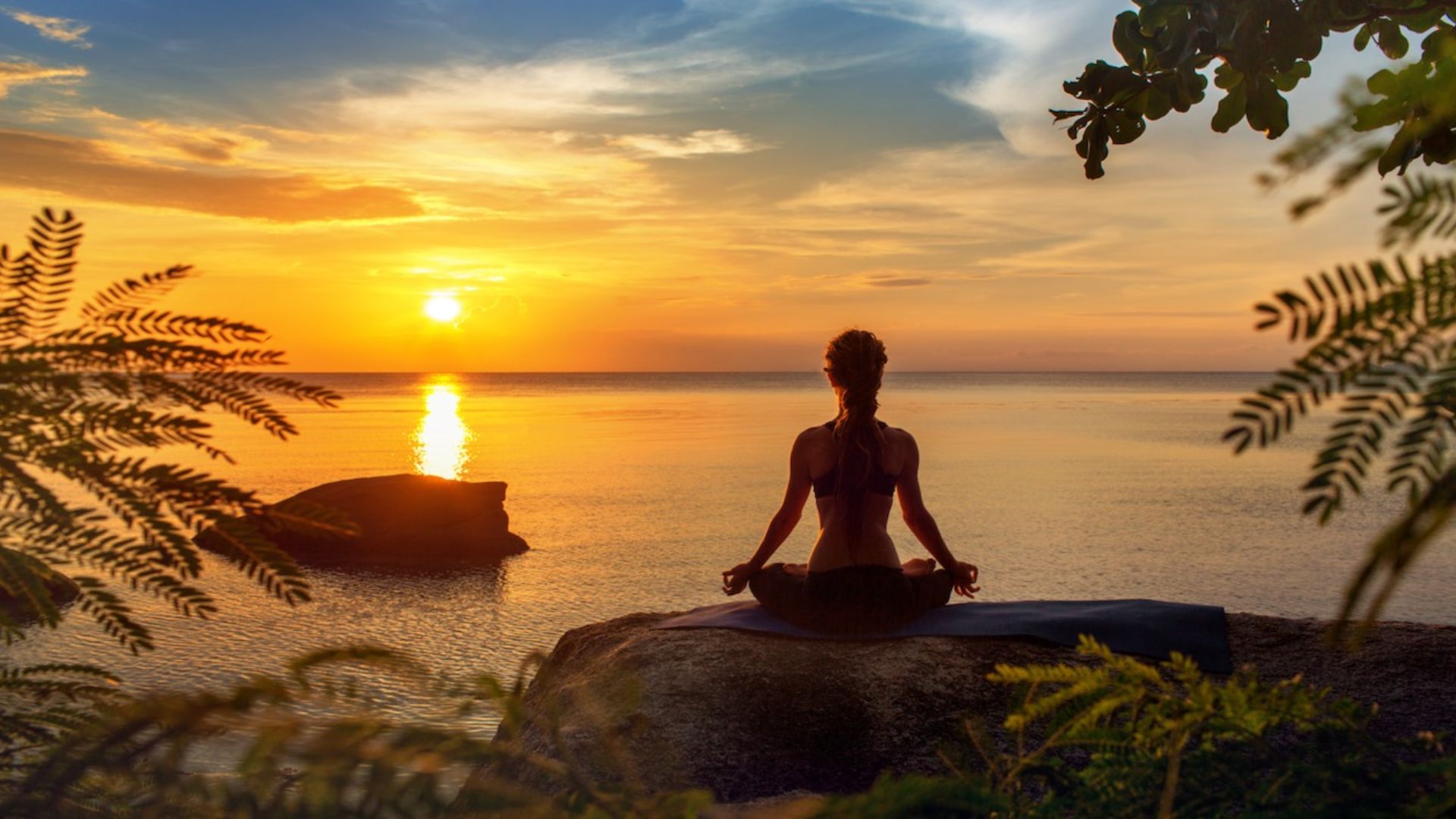
There are many reasons to start a yoga practice. Perhaps you want to gain more flexibility and strength. Maybe you are recovering from a recent injury and yoga can support your healing. Yoga and meditation are also very useful for anyone who wants to begin a healthier, calmer lifestyle.
For many people, meditation can feel intimidating. Even the thought of sitting quietly for a long time can create anxiety if you have never practiced before.
What Is Meditation?
Meditation is the practice of training attention, awareness, and calmness—often by focusing on a single object, sound, or the breath—while observing thoughts without judgment. It helps reduce stress in both the mind and body, improves emotional balance, and creates a state of relaxed alertness rather than forcing the mind to stop thinking.
With regular meditation, you begin to feel more relaxed, stress-free, and mentally clear.
Ujjayi Pranayama
Ujjayi Pranayama is a yogic breathing technique that involves slow, deep inhalation and exhalation through the nose while slightly constricting the throat. This creates a soft sound and helps calm the nervous system while improving focus during meditation.
Top 7 Meditation Tips for Daily Yoga Practice
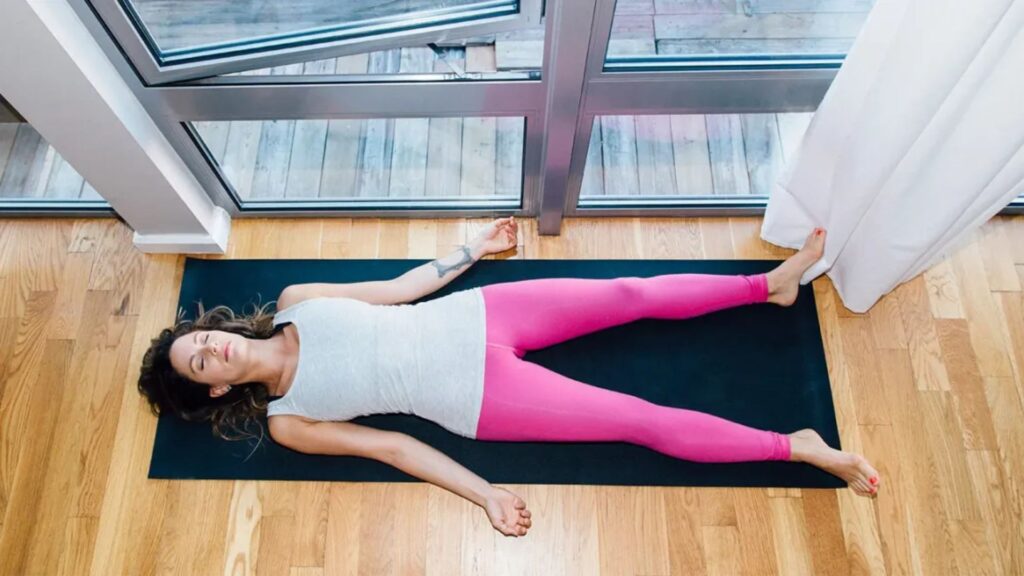
1. Body Scan Meditation
Body scan meditation is a mindfulness technique that involves a slow, mental scan of the body—from toes to head—to notice physical sensations, tension, or discomfort without judgment. It builds a strong mind-body connection, reduces stress, and promotes deep relaxation.
2. Mantra Meditation
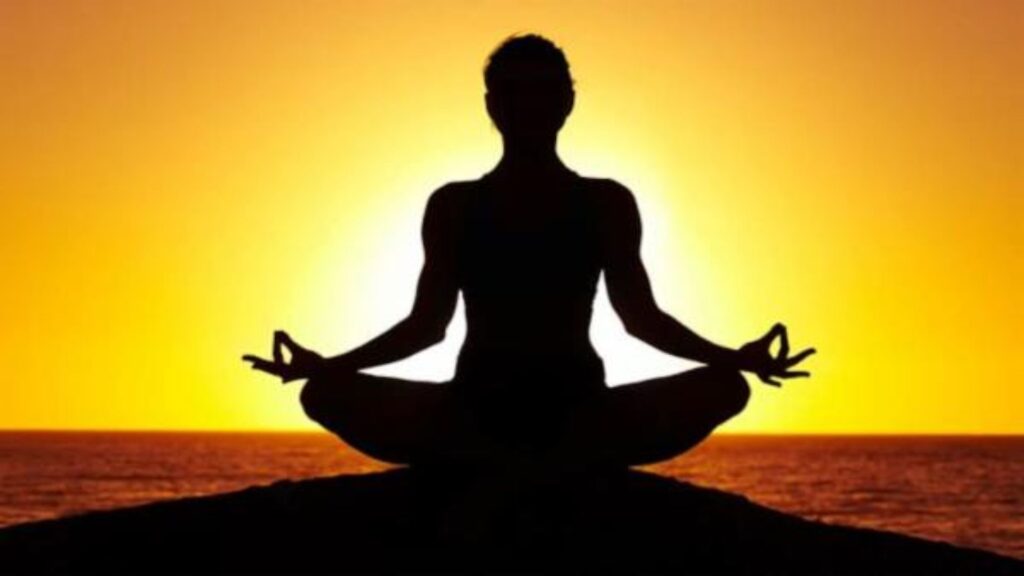
Mantra meditation involves the silent or audible repetition of a specific word, phrase, or sound (mantra) to quiet the mind, improve concentration, and reduce stress. Originating from ancient yogic traditions, it is considered a powerful “tool for the mind” that leads to inner peace.
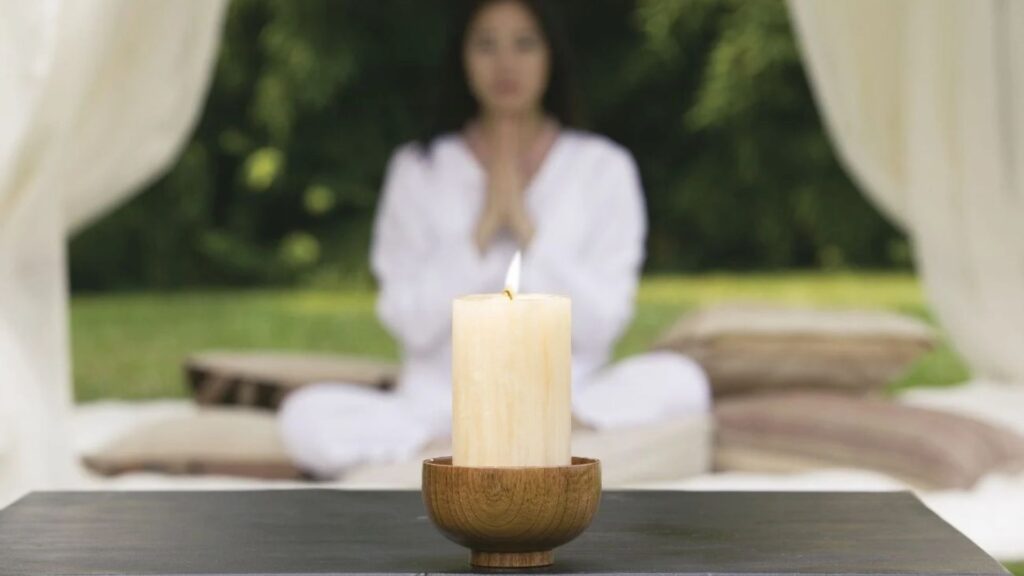
3. Candle Gazing (Trataka)
Candle gazing, also known as Trataka, is an ancient yogic purification and concentration practice. It involves staring steadily at a candle flame without blinking. This technique improves concentration, strengthens eyesight, calms the mind, and promotes deep relaxation.
4. Music Meditation
Music meditation uses calming, slow, or instrumental music to focus the mind and reduce stress. Sound becomes the anchor for awareness, helping you stay present and relaxed. It may also support better sleep and emotional balance.
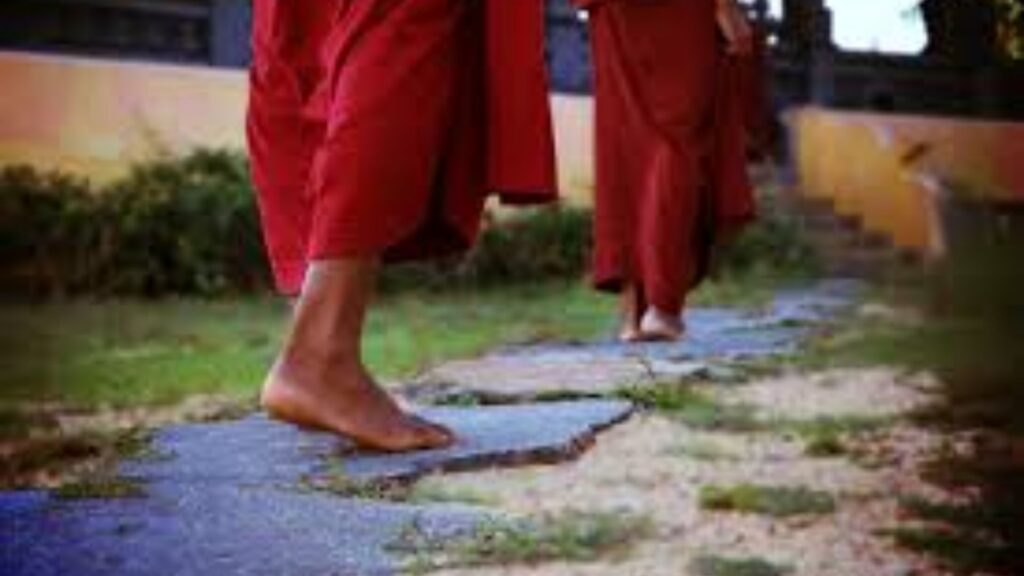
5. Walking Meditation
Walking meditation is an active mindfulness practice where you walk slowly and deliberately while paying attention to each step, breath, and surrounding sensation. Instead of walking to reach a destination, you walk to be fully present.
6. Vipassana Meditation
Vipassana means “seeing things as they really are.” It is an ancient meditation technique focused on observing bodily sensations and mental patterns with equanimity (non-reaction). This practice helps remove mental impurities such as craving, aversion, and ignorance.
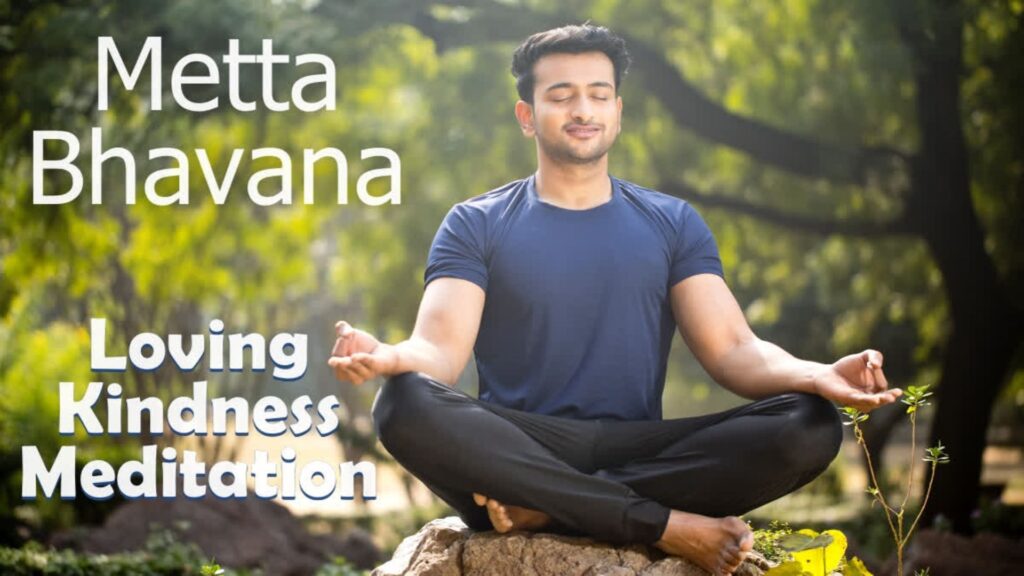
7. Loving-Kindness Meditation (Metta)
Loving-Kindness Meditation, or Metta, is a practice of cultivating compassion and positive emotions by repeating phrases such as, “May I be happy, healthy, and safe,” and extending these wishes to others.
Benefits of Meditation
- Reduced stress and anxiety by calming the nervous system
- Improved emotional health and self-awareness
- Enhanced focus, memory, and mental clarity
- Better heart health and lower blood pressure
- Improved sleep quality
- Support in pain management and relaxation
Concluding a meditation session mindfully is important. You can end with gratitude, positive intentions, or gentle body awareness to carry the sense of peace into your daily life.
Why Choose 8 Limbs Yoga School for Meditation?
At 8 Limbs Yoga School in Rishikesh, meditation is taught as a traditional, practical, and transformative discipline rooted in authentic yogic wisdom.
Peaceful & Spiritual Environment
The natural energy of the Himalayas and the Ganga creates the perfect setting for inner stillness and focus.
Experienced Teachers
Learn step-by-step breath awareness, mindfulness, mantra meditation, and concentration techniques from trained instructors.
Traditional Yogic Practices
Meditation is taught as part of the eight limbs of yoga—not as a trend, but as an authentic spiritual path.
Suitable for All Levels
Whether you are a beginner or an experienced practitioner, sessions are structured for comfortable progress.
Daily Guided Practice
Consistent morning and evening meditation sessions help you build a sustainable and meaningful practice.
Conclusion
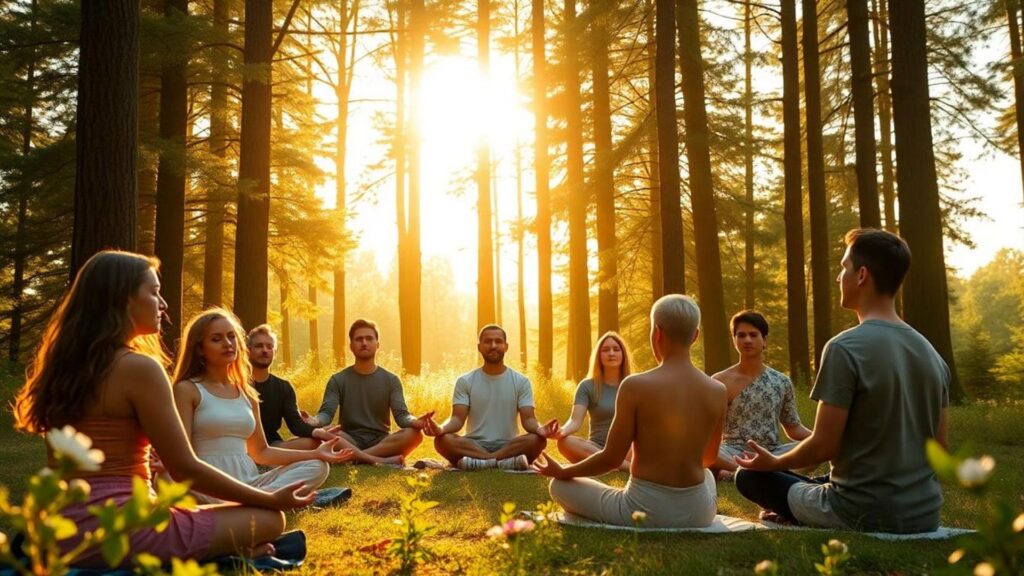
Meditation is not about stopping thoughts—it is about changing your relationship with them. With beginner-friendly techniques such as breath awareness, body scan, mantra, candle gazing, walking meditation, and loving-kindness, anyone can experience greater calm, clarity, and balance.
The key is consistency over perfection. Just a few mindful minutes each day can reduce stress, improve focus, support better sleep, and build emotional resilience.
In the peaceful environment of Rishikesh, learning these practices becomes even more powerful with proper guidance and authentic tradition.
Start small. Stay regular. Go inward.
Your meditation journey begins with a single, conscious breath.
Frequently Asked Questions About Meditation
Q1. How do I start meditating?
Start with 3–5 minutes and focus on your breath or a guided practice. Consistency matters more than duration.
Q2. What is the best time to meditate?
Morning is ideal to set a calm and focused tone for the day.
Q3. How should I sit?
Sit comfortably on a chair with feet flat on the floor or cross-legged on a cushion, keeping your spine straight.
Q4. What if I can’t stop my thoughts?
This is normal. Simply notice when your mind wanders and gently bring attention back to the breath.
Q5. Is it okay to feel sleepy or bored?
Yes. If sleepy, adjust your posture or time of practice. If bored, observe the feeling without resisting it.
Q6. Can I meditate lying down?
Yes, if sitting is uncomfortable. However, sitting helps you stay more alert.
Q7. What should I do if I feel itchy or tense?
You may adjust your position, but first try observing the sensation to see if it passes.
Q8. How long until I see results?
You may feel relaxed immediately, but deeper benefits come with consistent daily practice over weeks or months.
Leave a Reply