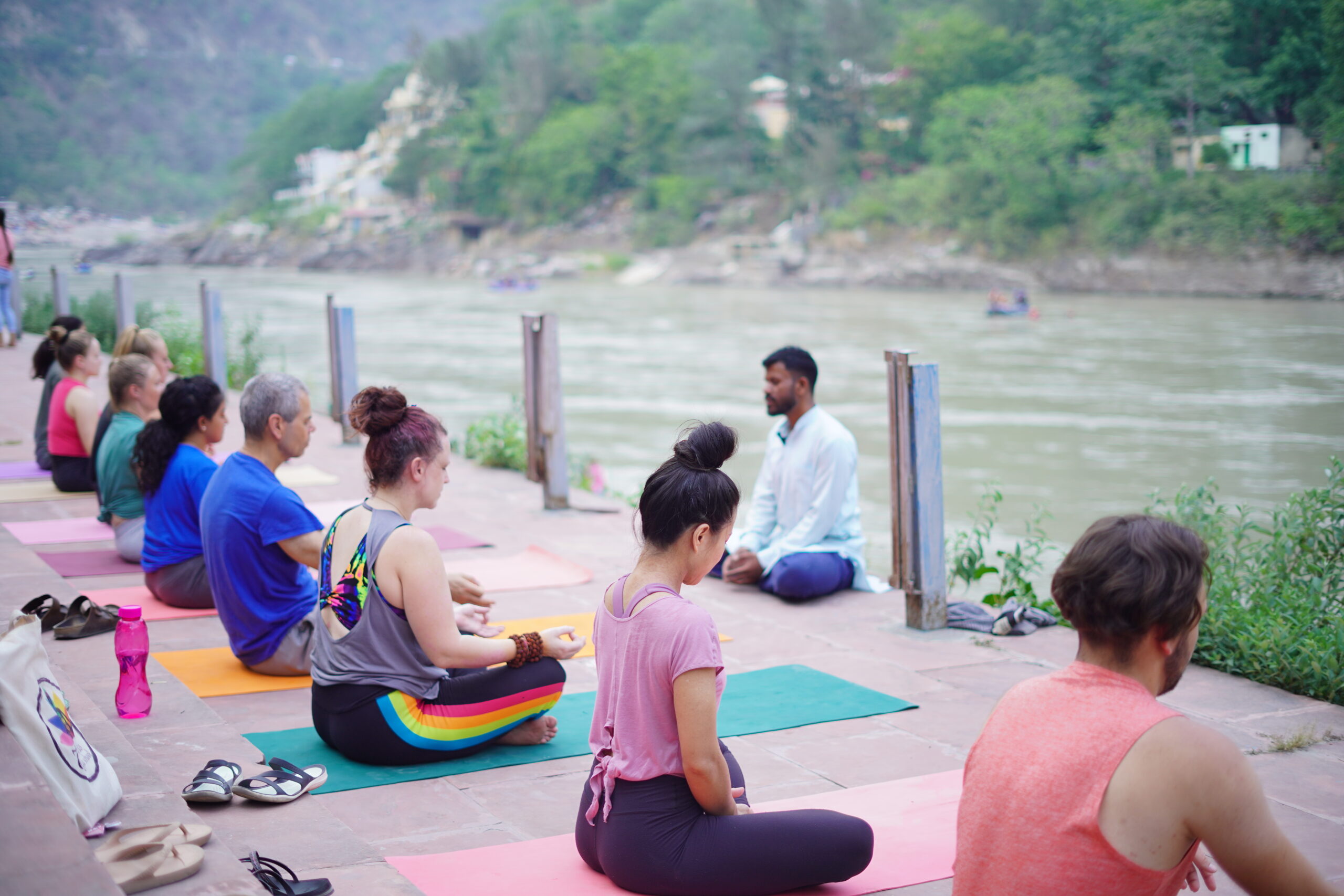
As Yoga Nidra grows in popularity, more and more students and teachers are getting interested in discovering what Yoga Nidra is and how to practice it. It’s not a surprise. In a world filled with constant hustle and bustle, finding moments of tranquility can seem like an elusive dream.
This is where Yoga Nidra comes to our rescue. Through this relaxing practice, you can experience a state of blissful awareness, effortlessly melting away stress and tension
What is Yoga Nidra?
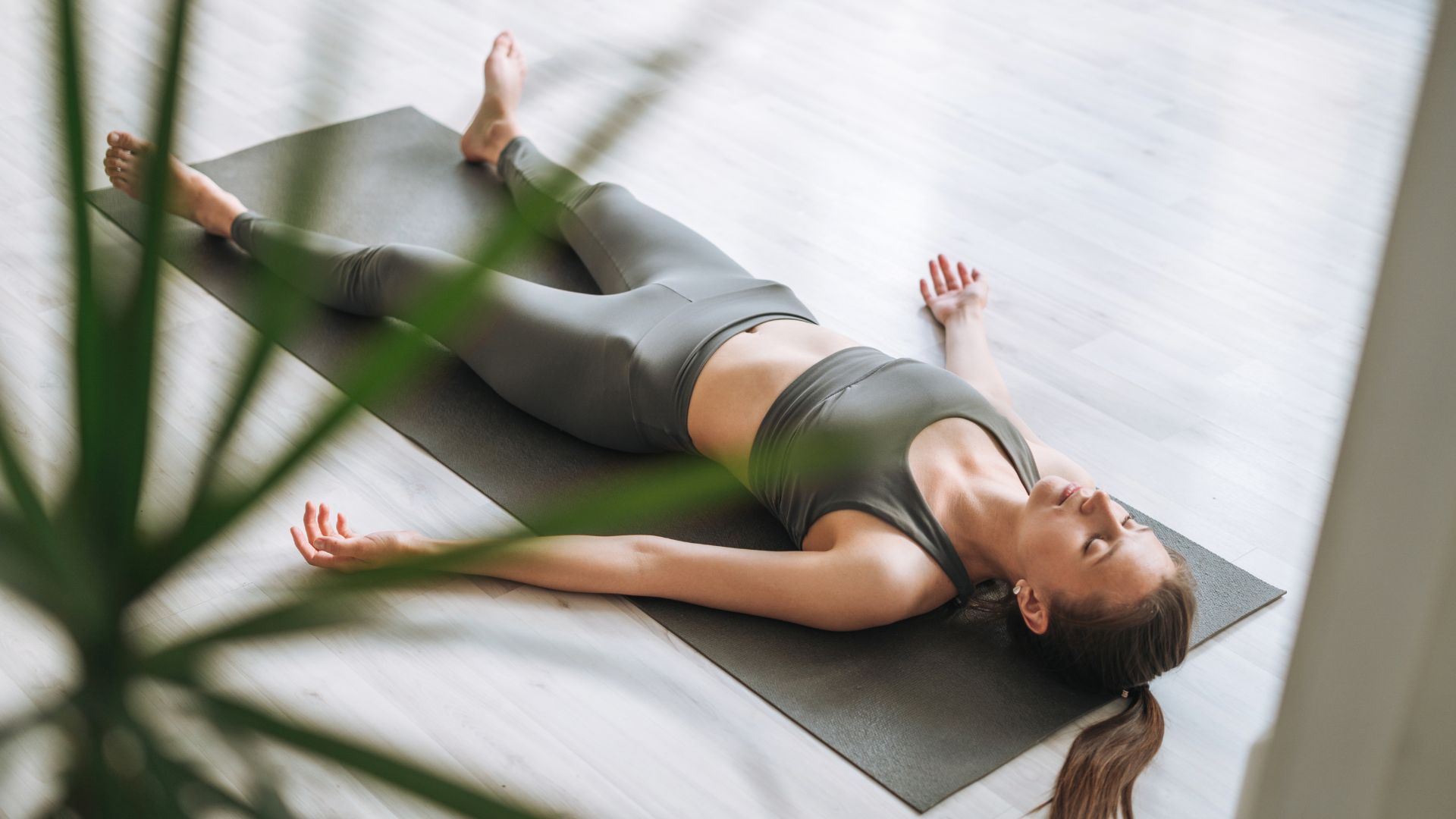
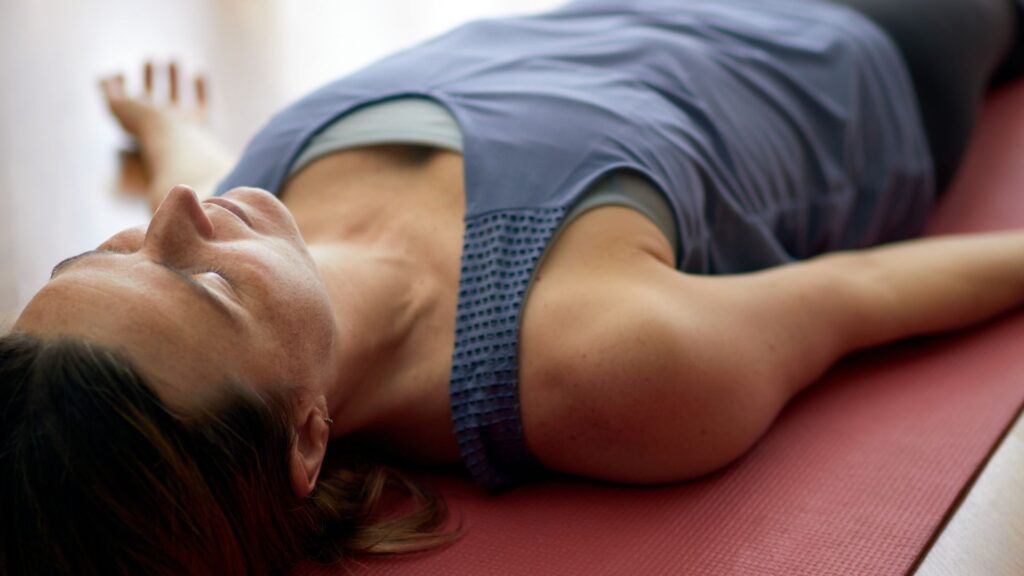
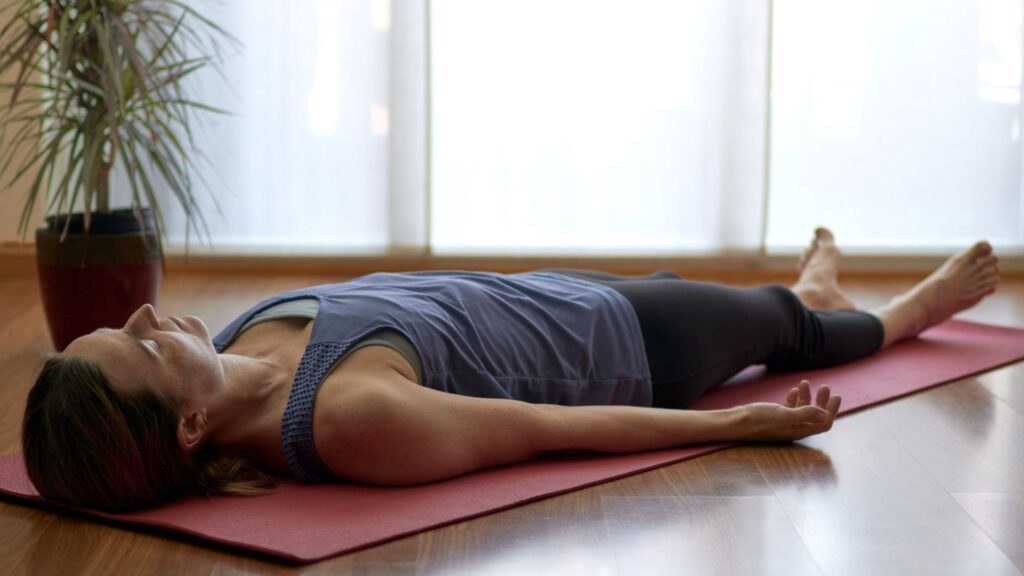
Yoga Nidra, or “yogic sleep,” is a guided meditation practice that induces deep relaxation by bringing the practitioner into a state of conscious awareness between waking and sleeping. It involves lying in Savasana (corpse pose) while a guide leads you through body scans, breath awareness, and guided imagery to release physical, mental, and emotional tension
The Origins of Yoga Nidra
The modern form of Yoga Nidra was systematized by Swami Satyananda Saraswati, founder of the Bihar School of Yoga.
However, its roots go back to ancient yogic and tantric traditions mentioned in sacred texts. Over time, it evolved into a structured practice accessible to everyone — beginners and advanced practitioners alike.
How Yoga Nidra Works
How It Works:
Subconscious Access: Yoga Nidra bridges the conscious and subconscious mind, allowing you to move beyond the active “beta” brainwave state into relaxed “alpha” and “theta” waves.
Nervous System Shift: It lowers adrenaline and cortisol levels by activating the parasympathetic nervous system, which promotes healing and calmness.
Brainwave Transition: The practice guides the brain from active alertness into alpha/theta waves (associated with visualization and meditation) and eventually delta waves, which are typically only present during deep, restful sleep.
The Power of Stillness: By staying perfectly still, the body enters a profound rest state (often called “deep sleep,” but you remain aware), allowing for the release of emotional tension..
Understanding the Benefits of Yoga Nidra
1.Stress & Anxiety Reduction
It systematically calms the nervous system, significantly reducing cortisol levels and managing stress-related symptoms.
2. Improved Sleep Quality
It helps combat insomnia by training the body to transition smoothly into deep, restorative sleep states.
3. Physical Healing and Pain Relief
Deep rest supports recovery from chronic pain, fatigue, and illness. It is also known to help balance blood glucose levels, benefiting those with diabetes.
4. Emotional Balance and Resilience:
By providing a safe space to observe emotions without judgment, it helps reduce emotional reactivity, heal traumas, and enhance emotional stability.
5. Mental Clarity and Creativity
Regular practice improves focus, memory, and cognitive functioning by releasing mental tension and accessing deeper brain states.
How to Practice Yoga Nidra
Steps for Practicing Yoga Nidra:
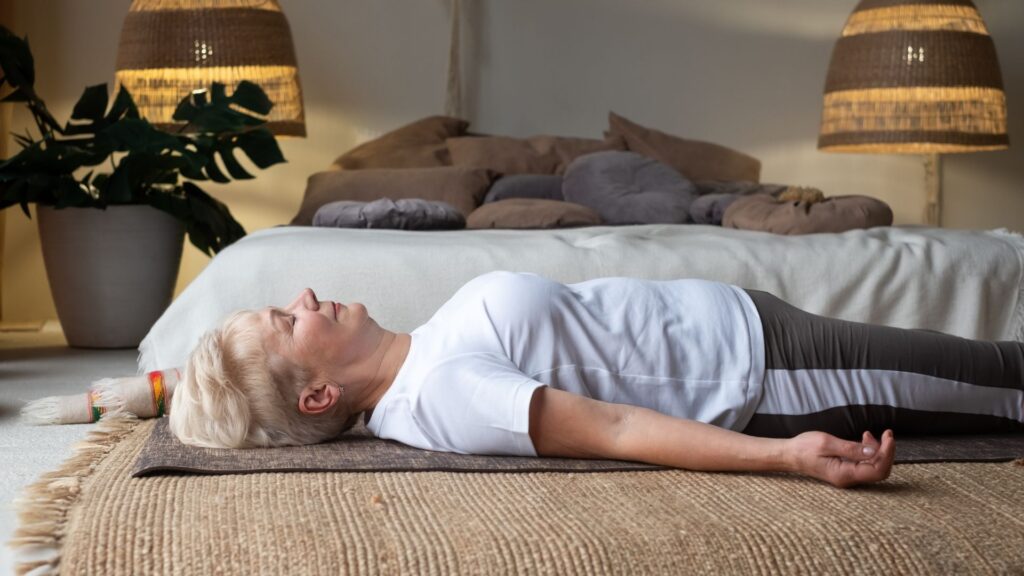
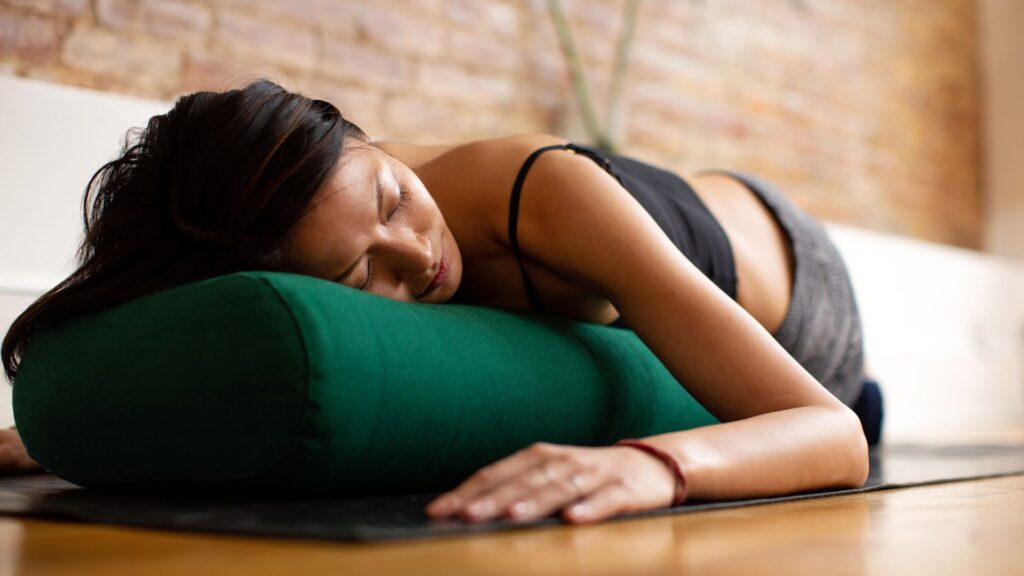
1.Prepare Your Space: Find a quiet, comfortable, and dark space. Lie on your back on a yoga mat or blanket. Use a cushion under your head or knees for support, and cover yourself with a blanket if needed to stay warm.
2. Set Your Intention (Sankalpa): Define a short, positive, present-tense intention or goal, such as “I am calm” or “I am resting deeply”. Repeat this affirmation mentally three times.
3. Rotate Awareness (Body Scan): Following a guided recording or manual instructions, bring your awareness to specific body parts in a specific sequence (right side, left side, front, back). Mentally relax each part as you bring your attention to it, without making physical movements.
4.Observe the Breath: Become aware of your natural, spontaneous breath without trying to change it, perhaps observing it flow in and out of the abdomen.
5.Visualize and Relax: Release tension by focusing on calm sensations or visualization techniques provided in the guided session (e.g., picturing a quiet beach or observing thoughts without judgment).
6.Return to Awareness: Gently bring your focus back to the room, your breath, and your physical surroundings. Gently move your fingers and toes, then stretch slowly before rolling to your right side and sitting up slowly.
7.Seal Your Intention: Repeat your Sankalpa (intention) mentally three times once more before completing the practice
Why Learn Yoga Nidra at 8 Limbs Yoga School?
At 8 Limbs Yoga School, we integrate traditional yogic wisdom with modern understanding. Our trained teachers guide you safely into deep relaxation while helping you understand the philosophy behind the practice.
Whether you want to:
- Reduce stress
- Improve sleep
- Deepen your spiritual journey
- Or become a certified yoga teacher
Yoga Nidra can become a transformative tool in your life.
Conclusion
In a fast-moving world where true rest feels rare, Yoga Nidra offers a simple yet profoundly effective way to reset your body, calm your mind, and restore your inner balance. Without requiring flexibility, effort, or complex techniques, it invites you into a state of conscious relaxation where deep healing naturally happens. With regular practice, Yoga Nidra can transform the way you sleep, think, feel, and respond to life’s challenges. It is not just a practice—it is a doorway to sustainable peace, clarity, and well-being.
FAQ – Complete Guide to Yoga Nidra
Q1.What is the goal of Yoga Nidra?
The goal is to reach a state of profound conscious relaxation, allowing the body to rest deeply while the mind stays awake but detached.
Q2. What happens if I fall asleep?
Falling asleep is common and not a problem—you likely need the rest, and you still receive benefits. However, the aim is to remain in a state of “conscious sleep” to experience deep mental, physical, and emotional release.
Q3.How often should I practice?
It can be done daily. Regular practice is recommended to maximize benefits like decreased anxiety and better sleep.
Q4.Do I need special equipment?
No. Use a yoga mat, bed, or couch, and consider props like a blanket or pillow for comfort.
Q5.What is a Sankalpa?
A Sankalpa is a personal, positive intention or heart-felt desire set at the beginning and end of the session to help guide your life and focus your mind.
Q6.Can I do this before bed?
Yes, it is excellent for transitioning into sleep, though the technique itself is designed to keep you aware rather than just sleeping.
Q7.What if I cannot concentrate?
Simply go with the flow. If your mind wanders, gently bring it back to the guide’s voice. It is normal for the conscious mind to drift in and out of awareness.
Q8.Is it the same as meditation?
It is a type of guided meditation, but instead of actively focusing the mind, you are actively relaxing it by following instructions, often referred to as “effortless relaxation”.
Leave a Reply