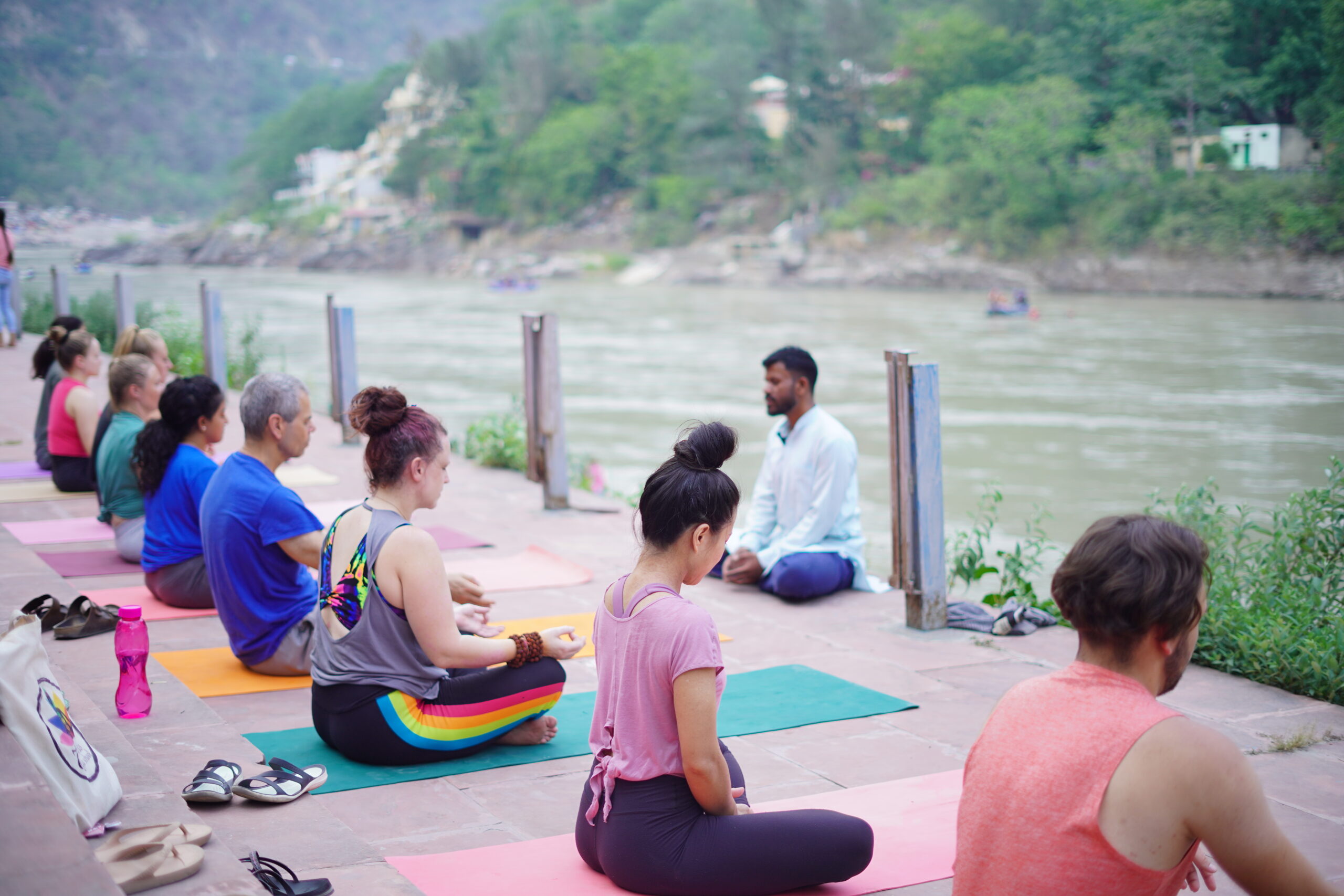
Rishikesh, the “Yoga Capital of the World,” is not just a destination for adventurous souls but also a sanctuary for those seeking inner peace and relaxation. Amidst the serene banks of the Ganges and the lush Himalayan foothills, Yin Yoga emerges as a powerful practice to calm the mind, release deep-seated tension, and reconnect with your inner self.
Unlike dynamic yoga styles, Yin Yoga is a slow-paced practice where poses are held for 3 to 5 minutes (or even longer). This gentle yet profound approach targets the connective tissues, ligaments, and fascia, promoting flexibility, joint health, and a meditative state of mind.
In this blog, we’ll explore:
- The essence of Yin Yoga and its benefits.
- How to practice Yin Yoga for relaxation in Rishikesh.
- The best Yin Yoga poses to unwind and rejuvenate.
- Why Rishikesh is the perfect place to deepen your Yin Yoga journey.
The Essence of Yin Yoga
What is Yin Yoga?
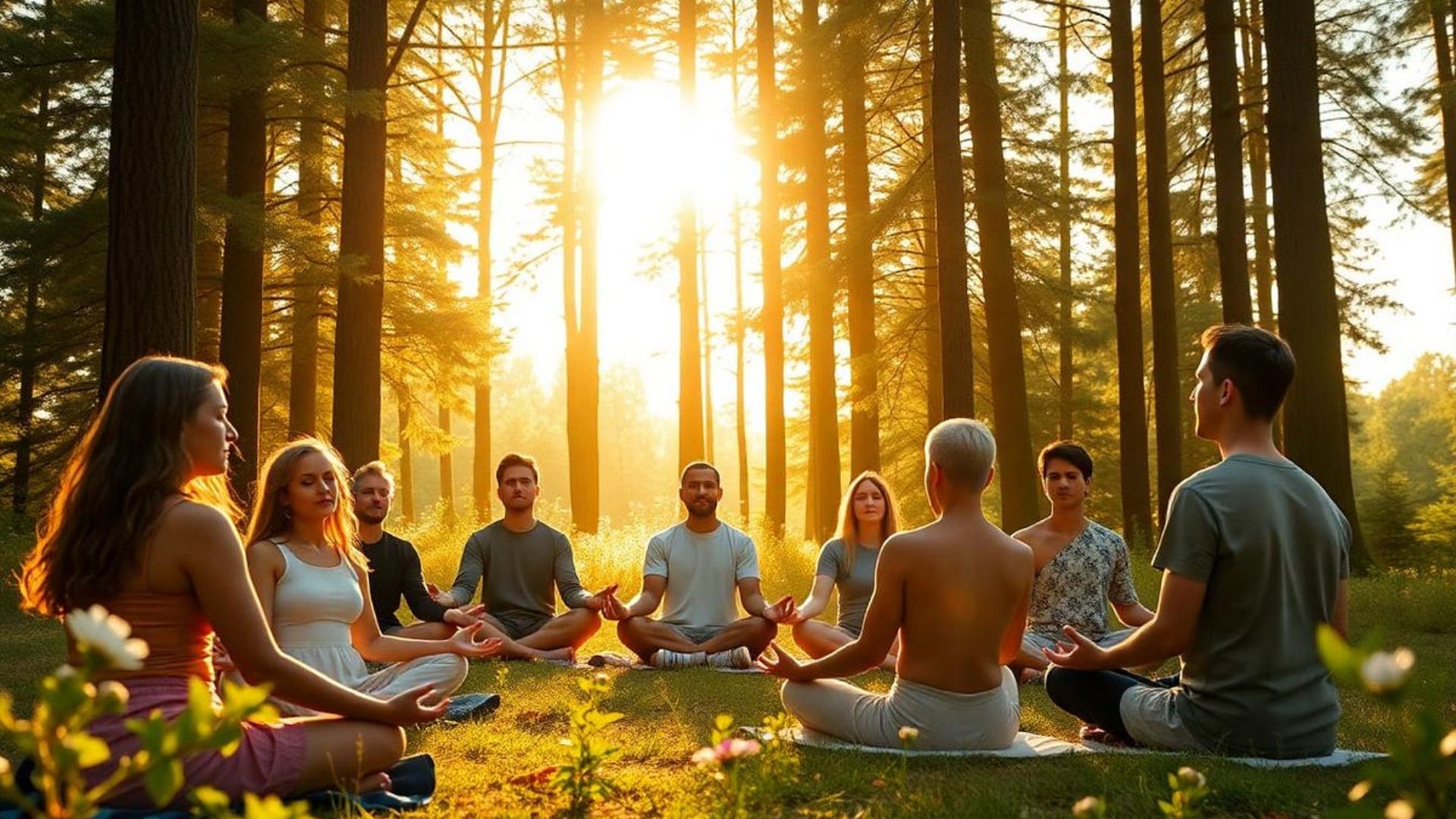
Yin Yoga is a passive, introspective practice that complements the more active (Yang) styles of yoga like Vinyasa or Ashtanga. It is inspired by Taoist philosophy, which emphasizes balance between the Yin (passive, cooling, and receptive) and Yang (active, warming, and expressive) energies.
In Yin Yoga:
- Poses are held for longer durations (3–10 minutes).
- Muscles are relaxed to allow the stretch to penetrate deeper tissues.
- Props like bolsters, blocks, and blankets are used for support.
- Mindfulness and breath awareness are integral to the practice.
Why Practice Yin Yoga?
Yin Yoga offers a multitude of benefits for both the body and mind:
✅ Deep Relaxation: Activates the parasympathetic nervous system, reducing stress and anxiety.
✅ Improved Flexibility: Gently stretches connective tissues, enhancing joint mobility.
✅ Emotional Release: Encourages the release of stored emotions and mental blockages.
✅ Better Sleep: Calms the nervous system, aiding in restful sleep.
✅ Enhanced Meditation: Prepares the mind for deeper meditative states.
How to Practice Yin Yoga for Relaxation in Rishikesh
Rishikesh’s spiritual energy and tranquil environment make it an ideal place to immerse yourself in Yin Yoga. Here’s how you can make the most of your practice:
1. Find a Peaceful Space
Rishikesh offers countless serene spots for yoga:
- Ashrams and Yoga Schools: Join a Yin Yoga class at renowned schools like 8 Limbs Yoga School.
- Ganges Riverbanks: Practice at sunrise or sunset for a spiritually uplifting experience.
- Himalayan Retreats: Escape to a quiet retreat center for a deeply immersive practice.
2. Set the Mood
- Use Props: Bolsters, blocks, and blankets help you sink deeper into poses comfortably.
- Soft Music or Nature Sounds: Enhance relaxation with calming music or the sound of flowing water.
- Aromatherapy: Light lavender or sandalwood incense to create a soothing atmosphere.
3. Focus on Your Breath
- Deep, Slow Breathing: Inhale and exhale slowly through the nose to activate the relaxation response.
- Mindful Awareness: Observe sensations without judgment. Let go of tension with each exhale.
4. Hold Poses with Patience
Yin Yoga is about surrendering to the pose. Avoid forcing the stretch—let gravity do the work.
Best Yin Yoga Poses for Relaxation
Here are 5 essential Yin Yoga poses to help you relax and rejuvenate:
1. Child’s Pose (Balasana)
- How to Do It: Kneel on the floor, sit back on your heels, and stretch your arms forward. Rest your forehead on the mat.
- Benefits: Releases tension in the back, shoulders, and hips. Calms the mind.
2. Butterfly Pose (Baddha Konasana)
- How to Do It: Sit with the soles of your feet together, knees bent out to the sides. Fold forward gently.
- Benefits: Opens the hips and groin, stimulates the abdominal organs, and relieves stress.
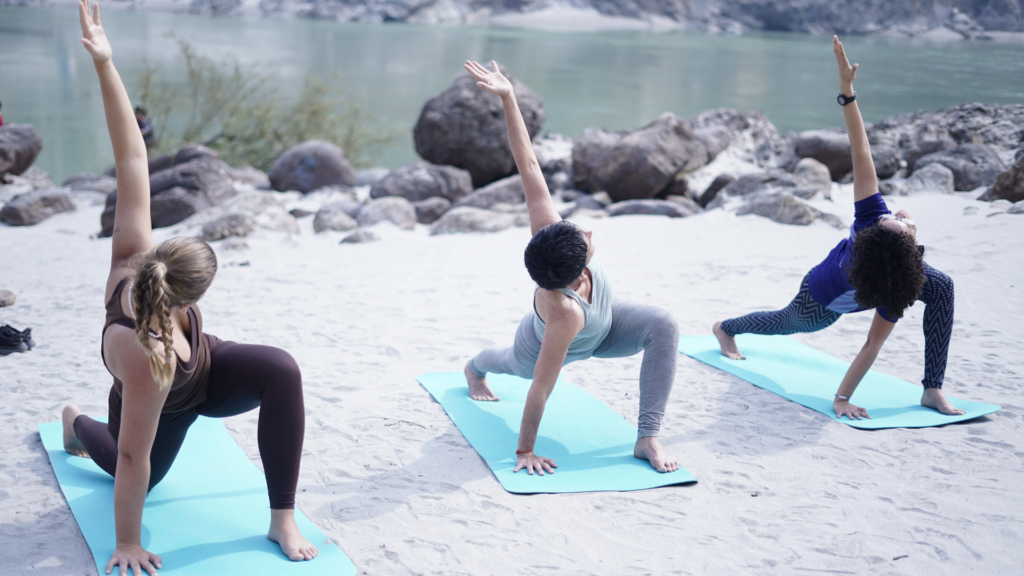
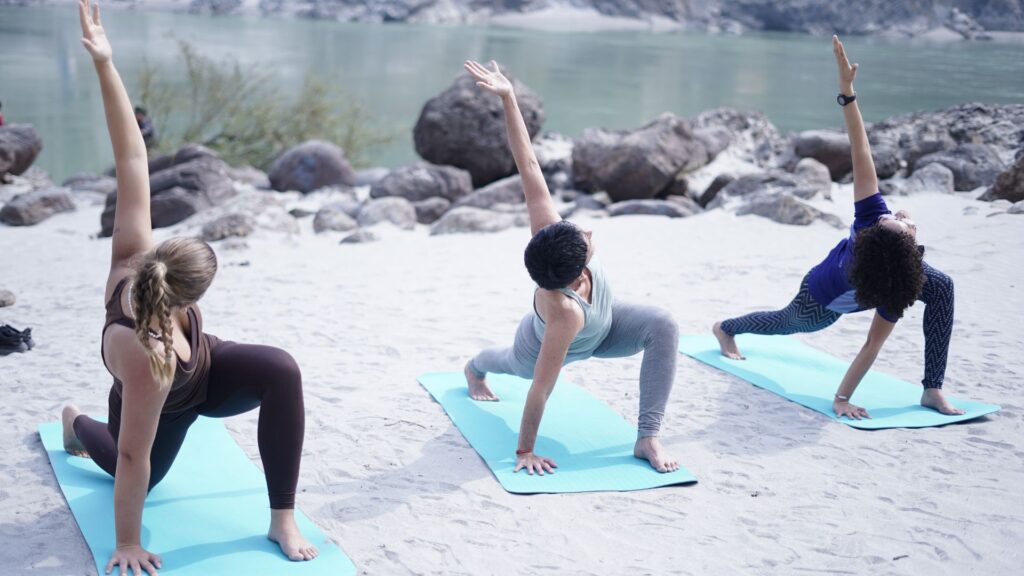
3. Dragon Pose (Low Lunge)
- How to Do It: Step one foot forward into a lunge, keeping the back knee down. Lower your hips and hold.
- Benefits: Stretches the hip flexors and quadriceps, releases emotional blockages.
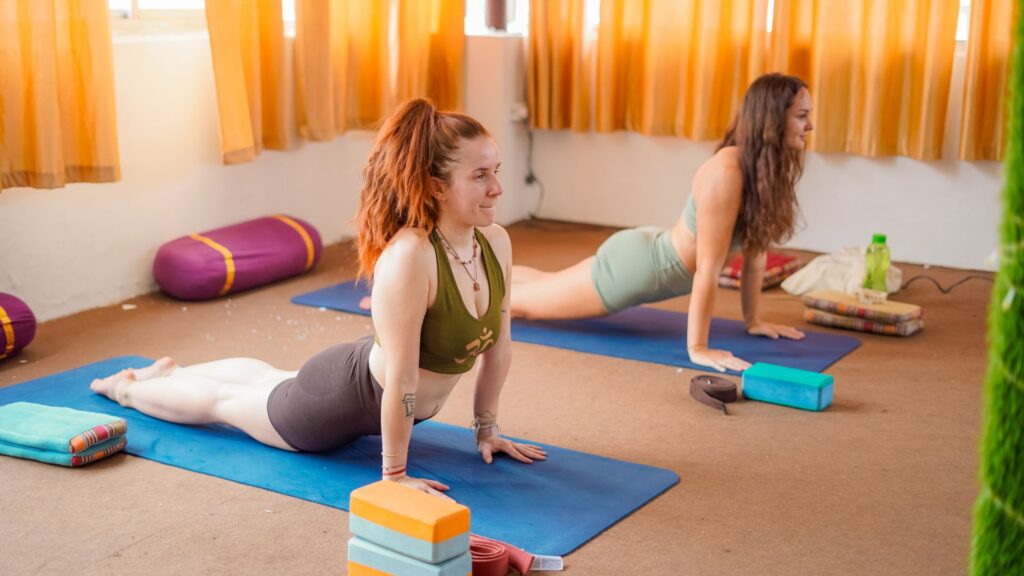
4. Sphinx Pose (Salamba Bhujangasana)
- How to Do It: Lie on your stomach, prop yourself up on your forearms, and lift your chest slightly.
- Benefits: Strengthens the spine, opens the chest, and reduces fatigue.
5. Reclining Twist (Supta Matsyendrasana)
- How to Do It: Lie on your back, hug one knee to your chest, and twist it across your body. Extend your arms out in a T-shape.
- Benefits: Releases spinal tension, improves digestion, and detoxifies the body.
Why Rishikesh is the Perfect Place for Yin Yoga
Rishikesh is not just a physical location—it’s a spiritual hub that amplifies the benefits of Yin Yoga:
🌿 Sacred Energy: The vibrations of the Ganges and the Himalayan mountains create a healing atmosphere.
🧘 Expert Guidance: Learn from experienced yoga teachers who understand the depth of Yin Yoga.
🌅 Natural Beauty: The serene landscapes of Rishikesh inspire inner peace and mindfulness.
🕉️ Holistic Wellness: Combine Yin Yoga with meditation, Ayurveda, and sound healing for a transformative experience.
Join a Yin Yoga Retreat in Rishikesh
At 8 Limbs Yoga School, we offer Yin Yoga retreats and teacher training programs designed to help you:
- Deeply relax and recharge.
- Learn the art of surrender in your practice.
- Connect with like-minded souls on a spiritual journey.
Whether you’re a beginner or an advanced yogi, our expert instructors will guide you through a transformative Yin Yoga experience.
Conclusion
Yin Yoga is a gift to yourself—a practice that teaches you to slow down, let go, and find stillness in a fast-paced world. In Rishikesh, this practice becomes even more profound, as the sacred energy of the land supports your journey toward inner peace and relaxation.
Ready to experience the magic of Yin Yoga in Rishikesh?
Contact us to join our next Yin Yoga retreat or teacher training program!
Leave a Reply