Special fees available on our 200, 300 and 500 hour Yoga Teacher Training courses.
Student Life Guide
A Day in the Life of a Yoga TTC Student in Rishikesh
Step into the quiet morning energy of Upper Tapovan and explore what living at a residential yoga school in Rishikesh actually feels like. This guide walks you through the complete daily flow morning breathwork, physical alignments, sattvic meals, lectures and sunday mountain hikes.
ABy Yogi Ankit Joshi••Calculating...
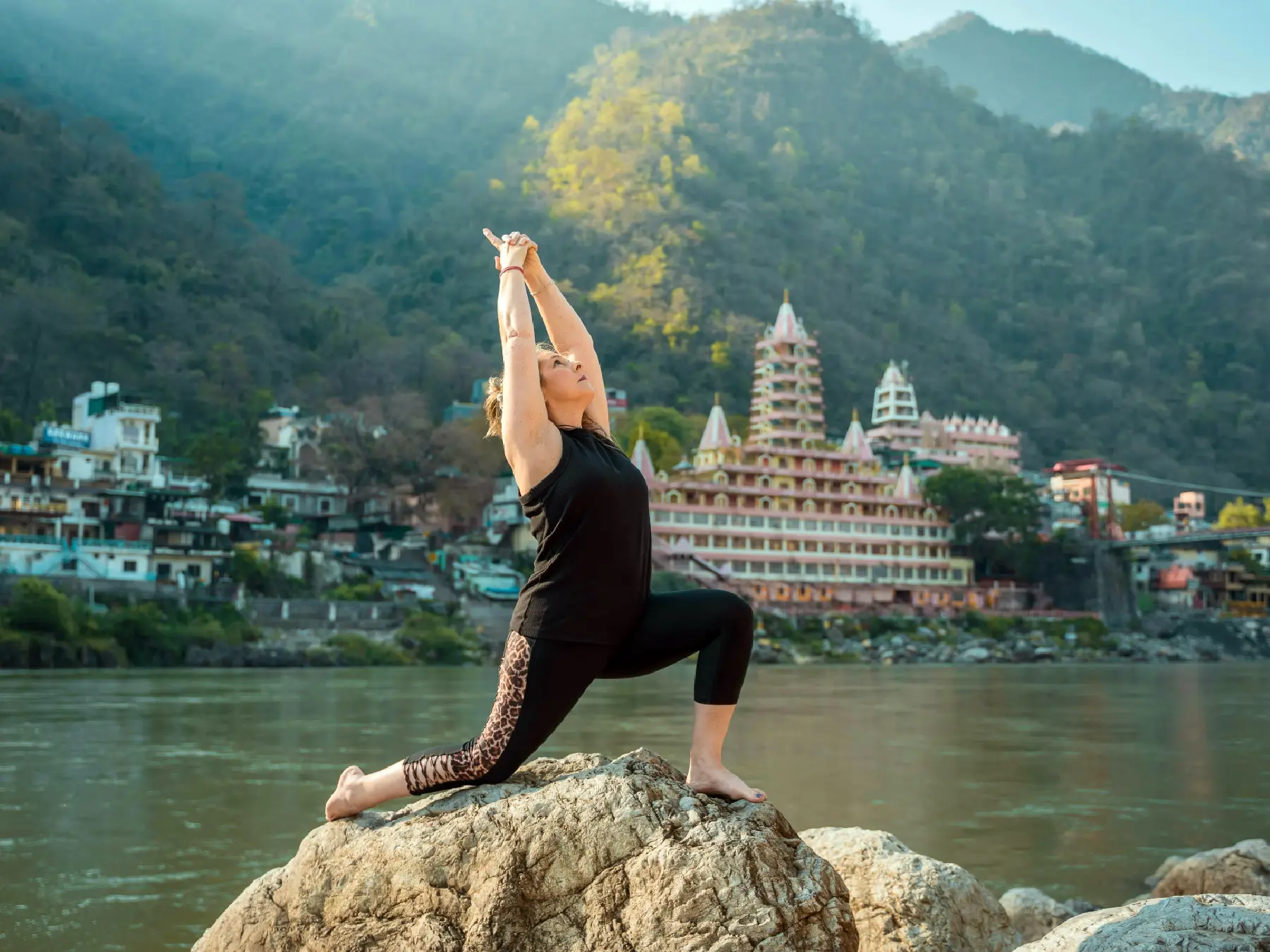
A steady, comfortable posture can help you bring attention to the breath.
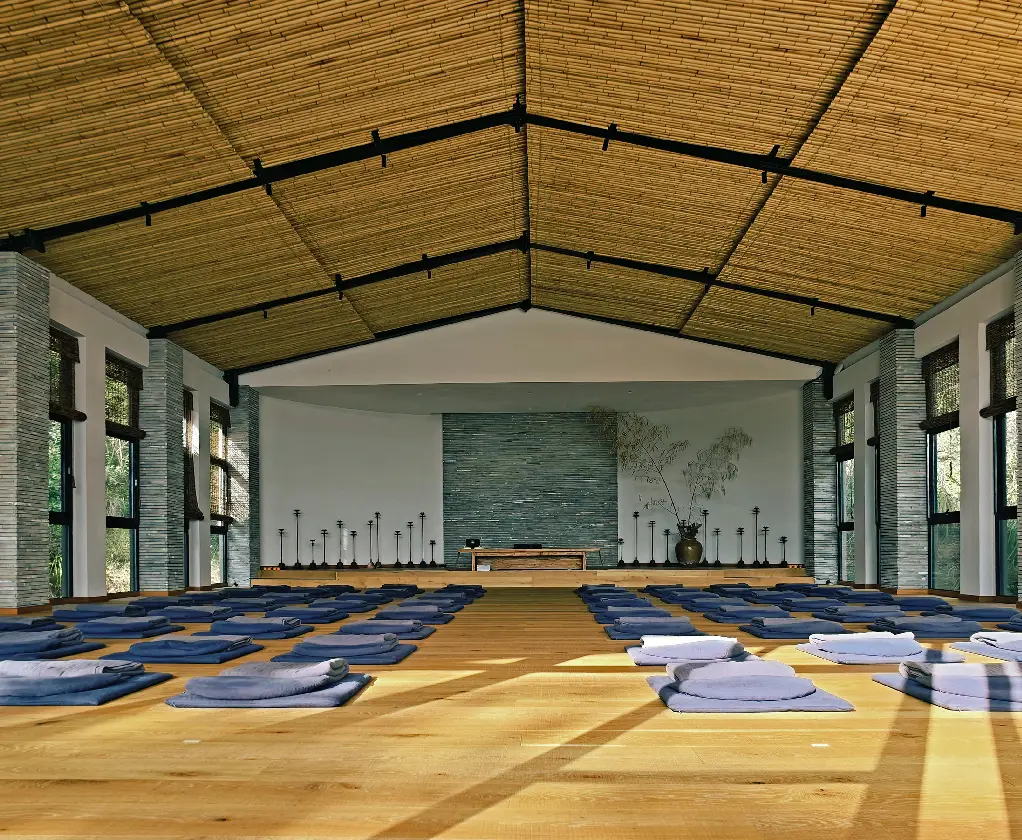
As dawn breaks over the Himalayan foothills, a quiet mist settles across the valley of Upper Tapovan. Before the town of Rishikesh awakens to its daily bustle, the gentle ring of a temple bell echoes in the distance, intermingling with the soft roar of the sacred Ganges flowing nearby. Inside the yoga shala, the crisp mountain air carries the subtle aroma of burning sandalwood and fresh camphor.
Stepping into a residential Yoga Teacher Training (TTC) in Rishikesh means leaving behind the noisy friction of modern life, the incessant digital notifications, rushed morning coffees, and fragmented routines. In its place, you enter a space designed for complete physical, mental, and energetic reset.
More Than Just a Certification
The Power of Dinacharya
Many aspiring teachers view a 200-hour yoga teacher training simply as an academic checklist or a sequence of contact hours required to gain certification. However, traditional yogic science views residential training through an entirely different lens: the practice of Dinacharya (the Ayurvedic science of daily lifestyle and biological alignment). According to Ayurvedic principles, the human body operates in synchronized harmony with nature’s natural energy clock:
Vata Phase (2:00 AM – 6:00 AM): High subtle mental energy; ideal for waking, inner reflection, cleansing, and pranayama.
Kapha Phase (6:00 AM – 10:00 AM): Heavy, grounded physical energy; ideal for dynamic physical movement (asana) and building strength.
Pitta Phase (10:00 AM – 2:00 PM) High digestive and mental fire; ideal for absorbing complex knowledge (philosophy/anatomy) and consuming your main meal.
By structuring every hour of your stay around these natural biological rhythms, a residential program does not just teach you how to sequence a class—it systematically resets your nervous system, optimizes digestion, and stabilizes mental clarity.
Key Insight: A study evaluating the impact of a short-term, 1 month yoga practice incorporating a structured daily routine of physical postures, pranayama, and meditation demonstrated a significant reduction in the LF/HF ratio of heart rate variability (HRV). This shift establishes that even a brief, structured yogic routine reduces sympathetic "fight-or-flight" activity and optimizes cardiac autonomic function alongside building physical strength..
STUDENT READINESS & PREPARATION
Are You Ready for a 25 Day Residential Immersion?
It is completely normal to feel a blend of excitement and apprehension when researching a 25 day residential program in India. Common questions often surface during the planning phase:
“Am I flexible or strong enough to handle multiple hours of physical practice daily?”
“How will my body adapt to early 5:30 AM wake-up calls and Sattvic vegetarian food?”
“What does a typical day actually look like hour-by-hour once I arrive on campus?”
Understanding the daily reality helps demystify the experience if your goal is to launch a professional teaching career, or simply to deepen your personal practice through a dedicated retreat.
In this comprehensive guide, we open the doors of our campus in Upper Tapovan to give you an unfiltered, hour-by-hour look at a day in the life of a Yoga TTC student in Rishikesh.
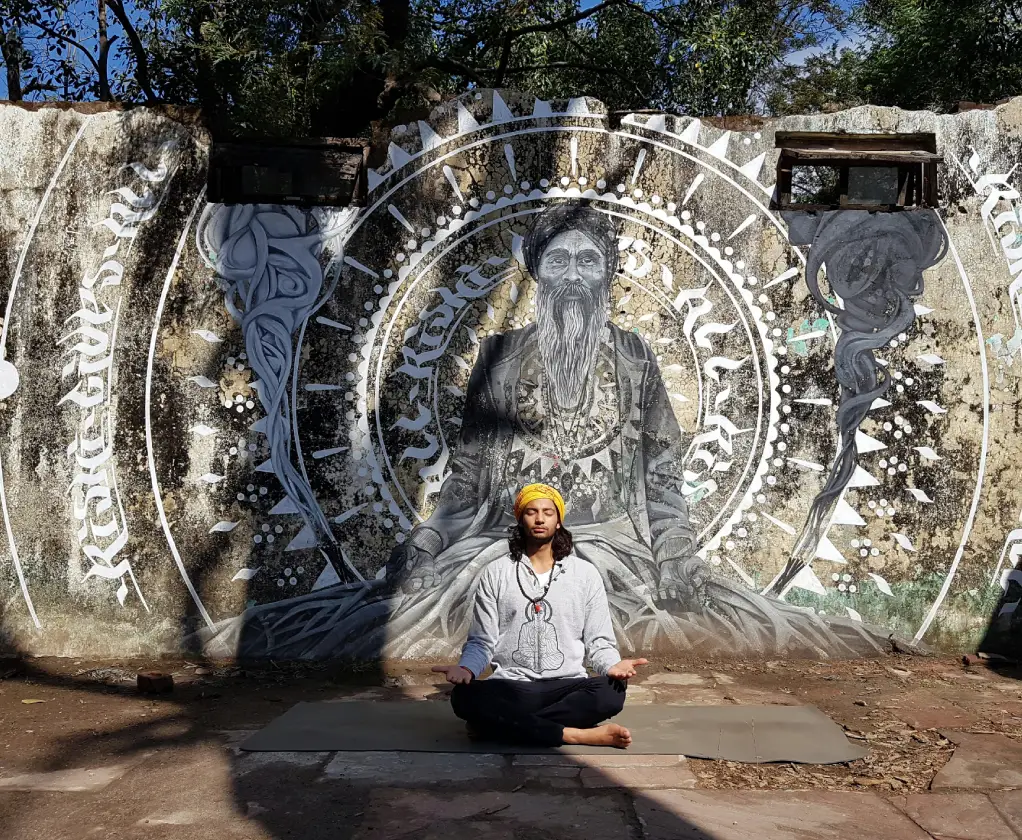
Use a stable, comfortable seated position.Choose a quiet space where you can practise without rushing.
DAILY IMMERSION SCHEDULE
A Day in Upper Tapovan, Rishikesh
Here is how a standard training day flows, hour by hour:
Time
Activity
Focus Area
05:30 AM – 06:00 AM
Shatkarma Cleansing
Jal Neti & Nasal Airway Preparation
06:00 AM – 07:00 AM
Pranayama & Breathwork
Nadi Shodhana, Kapalabhati, Bhastrika
07:00 AM – 08:30 AM
Hatha Yoga Alignment
Biomechanics, Asana Holds & Core Strength
08:30 AM – 10:00 AM
Sattvic Breakfast
Digestion Friendly Yogic Fuel & Rest
10:00 AM – 11:30 AM
Yoga Philosophy
Patanjali’s Yoga Sutras & The 8 Limbs
11:30 AM – 01:00 PM
Applied Anatomy & Physiology
Joint Tracking & Injury Prevention
01:00 PM – 03:30 PM
Ayurvedic Lunch & Midday Rest
Personal Integration, Reading & Rest
03:30 PM – 05:00 PM
Teaching Methodology
Cueing, Voice Control & Adjustments
05:00 PM – 06:30 PM
Ashtanga Vinyasa Flow
Dynamic Primary Series & Stamina
06:30 PM – 07:15 PM
Evening Meditation
Vedic Chanting, Sound Healing & Relaxation
07:15 PM – 09:30 PM
Sattvic Dinner & Wind-Down
Light Meal, Reading & Restorative Rest
Infographic: Typical daily schedule of a yoga ttc student.
1. 05:30 AM – 08:30 AM | Dawn Cleansing, Breathwork & Hatha Alignment
The day begins in total quiet. At 5:30 AM, a soft gong rings across the campus, signaling the start of the morning rituals in the crisp mountain air of Upper Tapovan.
Shatkarmas (05:30 AM – 06:00 AM): You start the morning with Jal Neti—using a copper pot with warm saline water to cleanse the nasal passages. Clear airways are essential before diving into an hour of intentional breathwork.
Pranayama (06:00 AM – 07:00 AM): As light fills the school, practice shifts to deep breath control. You learn and practice Nadi Shodhana (alternate nostril breathing) to balance the nervous system, along with Kapalabhati and Bhastrika to build internal heat and mental clarity.
Hatha Alignment Practice (07:00 AM – 08:30 AM): The first physical session focuses on classical Hatha yoga. With a fresh mind and rested muscles, you spend 90 minutes exploring posture holds, refined structural alignment, and steady strength building.
2. 08:30 AM – 10:00 AM | Sattvic Breakfast & Morning Integration
After three hours of continuous practice, students head to the dining hall for breakfast.
What Sattvic meals Looks Like: Expect warm oats or porridge, fresh seasonal fruits (papaya, pomegranates, bananas), herbal tea, and regional dishes like spiced poha (flattened rice) or sprouted grains.
Why Light Preparation Matters: Meals are cooked without heavy oils, refined sugars, onion, or garlic. Eating clean, freshly made food keeps your digestion calm so you stay clear and energetic for the morning academic sessions.
3. 10:00 AM – 01:00 PM | The Academic Hours: Philosophy & Applied Anatomy
With the physical body warm and energized, the morning shifts toward theory and academic coursework.
Yoga Philosophy (10:00 AM – 11:30 AM): True yoga extends far beyond physical poses. In this class, you dissect Patanjali’s Yoga Sutras, discussing how principles like Ahimsa (non-harming) and Svarupa (self-knowledge) apply directly to everyday life and modern teaching.
Functional Anatomy (11:30 AM – 01:00 PM): Led by experienced faculty, anatomy lectures focus on real-world movement. You study skeletal structures, joint mechanics, and safe tracking in poses like Chaturanga Dandasana or deep backbends to keep future students safe from common injuries.
Lunch is the main meal of the day, prepared according to Ayurvedic principles.
The Menu: Freshly cooked mung dal, brown rice, local seasonal vegetables, sprouted salads, and warm chapatis.
Midday Break: You have two and a half hours to digest and recharge. Students use this time to review lecture notes, journal on their balcony, or step out for a quiet walk through Upper Tapovan toward local bookshops.
Late afternoon brings a turn toward practical teaching skills and dynamic movement.
Teaching Methodology (03:30 PM – 05:00 PM): This is where you practice leading a class. Working in small peer groups, you refine your vocal delivery, learn precise verbal cues, practice safe hands-on adjustments, and study class sequencing.
Ashtanga Vinyasa Flow (05:00 PM – 06:30 PM): A high-energy, physical practice centered on the Ashtanga Primary Series. Moving through sun salutations and standing postures in sync with Ujjayi breath builds real endurance and physical resilience.
Evening Meditation (06:30 PM – 07:15 PM): As night falls over Tapovan, practice wraps up with guided meditation, Vedic chanting, or sound healing—letting your nervous system settle after an intense physical session.
As evening settles over the yogashala and the energy of the day slows down, students gather for the final communal meal.
The Evening Meal (07:15 PM): Dinner is intentionally kept light to support deep overnight cellular repair and uninterrupted digestion. You can expect warm, grounding dishes such as clear vegetable broths, steamed lentils, cooked seasonal squash, and mild grain bowls. Because heavy meals late in the evening disrupt REM and deep sleep cycles, this lighter fare ensures your body spends the night restoring muscle tissue rather than processing complex foods.
Winding Down (08:00 PM – 09:30 PM): The hours following dinner are meant for quiet, unstructured rest. Students typically use this time to sip warm golden milk or herbal tea, review class notes on functional anatomy, exchange thoughts with peers, or simply disconnect from screens on the balcony while listening to the evening quiet of the valley.
Early Sleep & Muscle Recovery (10:00 PM): Sustaining a rigorous day of physical movement, breathwork, and intensive study requires prioritizing sleep hygiene. Turning lights out by 10:00 PM allows your central nervous system to reset fully, letting your muscles recover so you wake up clear, refreshed, and ready when the pre-dawn gong rings at 5:30 AM tomorrow.
Note on Schedule Flexibility
While this represents a core daily structure in Upper Tapovan, exact module timings may shift slightly depending on seasonal sunrise times, outdoor excursion planning, or specific masterclass workshops integrated throughout your 200 hour or 300 hour training.
WEEKLY RESET & LOCAL EXPLORATION
Things to do in Rishikesh
After six consecutive days of intensive practice, breathwork, and academic focus, Sunday offers a complete change of pace. There are no early morning classes or rigid class timetables. Instead, rest days are designed for physical recovery, personal integration, and exploring the rich spiritual and geographical landscape of Rishikesh.
Upper Tapovan offers the perfect balance of quiet solitude along the riverbank and adventurous mountain views. Here are the top Sunday experiences for trainees looking to explore and recharge.
A Sunday in Rishikesh can be as active or as quiet as you want it to be. The local area has plenty to offer throughout the day, so you can easily step out for an early trek, spend a slow afternoon in town, or head down to the river by evening.
Time
Excursion
DAWN
Kunjapuri Temple Sunrise Hike (Himalayan Peak)
MORNING
Vashishta Cave Silent Meditation (Upper Ganga)
MIDDAY
Beatles Ashram Murals & Tapovan Cafe Culture
AFTERNOON
Secret Waterfall Trek (Upper Tapovan Trail)
EVENING
Sacred Ganga Aarti at Parmarth Niketan Ghat
1. Sunrise at Kunjapuri Devi Temple
Located atop a peak at an altitude of 1,645 meters, Kunjapuri Devi Temple is one of the most revered Sakti Peethas in the region.
The Experience: Leaving campus early in the morning before dawn, trainees take a short scenic drive up the mountain winding roads.
The View: As the sun rises, you are treated to a 360-degree panoramic view of the snow-capped Himalayan ranges on one side and the sprawling valley of Rishikesh with the Ganges river on the other. It is an unforgettable space for outdoor morning meditation with fellow trainees.
2. Silent Meditation at Vashishta Cave (Vashishta Gufa)
For deep inner quiet away from tourist crowds, Vashishta Cave offers a profoundly tranquil environment. According to ancient tradition, the great Sage Vashishta meditated inside this natural stone cave along the banks of the Ganges.
Atmosphere: Stepping inside the cool, pitch-black natural stone cave instantly dampens external noise, leaving a palpable, quiet resonance.
The Ganges Bank: Outside the cave entrance lies a clean, quiet stretch of white sand along the upper Ganges. The river is far cleaner and calmer than the main town stretches making it ideal for contemplation or quiet reading.
3. Beatles Ashram (Chaurasi Kutia)
Located inside the edge of Rajaji Tiger Reserve, Chaurasi Kutia was originally the ashram of Maharishi Mahesh Yogi, where The Beatles stayed and composed much of their White Album in 1968.
Exploration: Stroll through the overgrown stone meditation domes (kutias), explore the colorful street-art murals painted inside the main lecture hall, and walk through tranquil forested paths.
Vibe: It offers a rich mix of mid-century history, local art, and quiet green space for a relaxed Sunday afternoon.
4. Secret Waterfall Hikes in Upper Tapovan
You do not need to book long transport to experience nature. Right from Upper Tapovan, several forest trails lead directly into the hills toward hidden waterfalls such as Neer Garh or Patna Waterfall.
The Hike: A 30 to 45-minute trek through lush foliage brings you to natural mountain stream pools fed by freshwater springs.
Recovery: Resting your feet in the cool mountain water serves as natural cold-water therapy for sore muscles after six days of heavy postural work.
5. Evening Ganga Aarti at Parmarth Niketan
No stay in Rishikesh is complete without experiencing the Ganga Aarti, the nightly ceremonial ritual of offering fire and light to the sacred river.
The Ceremony: Head down to Parmarth Niketan or Triveni Ghat as dusk approaches. Hundreds gather on the river steps to join in rhythmic chanting, devotional music, and the lighting of brass oil lamps.
The Experience: Watching hundreds of small flower lamps (diyas) float downstream under the twilight sky offers a powerful sense of community and reverence.
6. Unwinding in Tapovan’s Cafe Culture
If your body simply demands total rest, Upper Tapovan is home to vibrant, cozy cafes along Balaknath Road and Laxman Jhula Road.
Yogic Friendly Menus: Enjoy organic herbal infusions, fresh coconut water, golden turmeric milk, and vegan treats while catching up on journaling or chatting with fellow international travelers.
Community Connection: These spaces serve as natural gathering spots where trainees from different schools gather to share stories and recommendations.
THE STUDENT EVOLUTION
4 Week TTC Adaptation Framework
Signing up for a month long yoga teacher training is as much a mental and emotional commitment as it is a physical one. Your body and mind will go through distinct phases as you adapt to the early mornings, dense academic material, and daily physical practice.
Understanding this progression helps you navigate the high points and the challenging moments without feeling overwhelmed. Here is how most students evolve over the four weeks:
Training Week
Phase Name
Physical & Mental Reality
Key Focus Area
Week 1
The Detox & Adjust Phase
Muscle soreness, jet lag, adapting to 5:30 AM wake-ups and clean Sattvic meals.
Hydration, physical rest, and patience as your body adjusts.
Week 2
The Breakthrough Phase
Soreness clears, physical stamina builds, and philosophy concepts start clicking.
Postural precision, holding poses longer, and deepening breath control.
Week 3
The Teaching Shift
Practicum begins; leading peers in micro-teaching sessions and practicing adjustments.
Finding your authentic teaching voice, clear cueing, and class sequencing.
Week 4
Integration & Graduation
Final practical assessments, written exams, emotional closing, and deep community bonds.
Building confidence, Yoga Alliance registration setup, and preparing to transition home.
Week 1: The Detox & Adjust Phase
The first week is all about building foundation and letting your system settle into a new routine.
What to Expect: Most international students enter Week 1 carrying jet lag, travel fatigue, and muscle stiffness from long flights. Waking up at 5:30 AM for morning Jal Neti and Hatha practice will feel challenging initially. Switching from a high-protein or processed diet to light, plant-based Sattvic food also triggers a short physical detox.
How to Handle It: Prioritize early sleep and stay consistently hydrated with warm water and herbal teas. Focus on listening to your body during practice rather than pushing into deep flexibility right away. Give yourself permission to go slow while your internal clock recalibrates.
Week 2: The Breakthrough Phase
By the second week, your sleep cycle normalizes, and your body adapts to the physical demands of daily practice.
What to Expect: Deep muscle soreness begins to fade, replaced by noticeable gains in core strength, hamstring flexibility, and shoulder mobility. You will find yourself holding classical Hatha postures with less physical strain. In the classroom, broad philosophy concepts like Patanjali’s 8 Limbs begin making practical sense.
How to Handle It: Channel this growing energy into refining your movement and breathwork. Pay close attention during anatomy lectures to understand how your bones, joints, and muscles interact—this knowledge directly protects your body as practice intensity increases.
Week 3: The Teaching Shift
Week 3 shifts your perspective from being purely a student to stepping into the role of a teacher.
What to Expect: Practicum sessions begin in small peer groups. Standing in front of your classmates to lead sun salutations, give verbal cues, and offer hands-on adjustments often brings up a fresh wave of nervousness. It is completely normal for your voice to feel shaky during your first few teaching attempts.
How to Handle It: Focus on clear, direct language rather than trying to sound like a seasoned instructor. Use your peers as a safe testing ground to practice timing, observe different body types, and build comfort using your natural speaking voice.
Week 4: Integration & Graduation
The final week ties together everything you have learned across practice, theory, and teaching methodology.
What to Expect:: Week 4 includes your practical teaching evaluations and a written assessment covering anatomy and philosophy. As testing finishes, the mood shifts toward celebration and deep gratitude for the cohort you have spent the last month with.
How to Handle It: Complete your Yoga Alliance registration steps with guidance from the school staff so your credentials are ready upon returning home. Take time to rest, write down key insights from your journal, and plan how you will integrate your morning practice back into your daily home routine.
TRAVEL & LOGISTICS
Practical Survival Guide for International Students
Traveling to India for an intensive 25 day training is an exciting step, but navigating local logistics for the first time can feel overwhelming. Smooth out your transition by reviewing these practical essentials for daily life in Rishikesh:
Cultural Etiquette & Dress Code
Rishikesh is a holy pilgrimage town along the Ganges, where traditional customs are an integral part of daily life.
Footwear Etiquette:: Always remove your shoes or sandals before entering yoga shalas, dining spaces, temples, or private homes. Footwear is typically left neatly on shoe racks outside the main entrance.
Modest Clothing: While fitting activewear is standard inside the practice yogashala, plan to wear loose, modest clothing when walking through Tapovan, visiting town markets, or attending evening Aarti. Keep shoulders and knees covered with light, breathable cotton or linen layers, or carry a light scarf (dupatta).
Water & Stomach Care
Staying hydrated and healthy is crucial when managing multiple hours of daily physical training.
On-Campus Water: Our campus uses multi stage RO (Reverse Osmosis) and UV filtration systems for all cooking, drinking, and tea preparations. You can safely refill your personal water bottle at any dining hall station throughout the day.
Dining Out: When exploring local cafes or street vendors in Tapovan, stick to bottled or filtered water and avoid drinks with unsealed ice. Choose freshly cooked, hot meals over pre cut raw fruits or exposed street snacks.
Connectivity & Tech
Staying connected with family back home or managing remote work during rest hours is straightforward in Rishikesh.
Campus Wi-Fi: High-speed Wi-Fi is available across all student accommodations, lecture halls, and common dining areas for general browsing, calls, and study needs.
Mobile SIMs: For reliable cellular coverage during outdoor treks or town walks, pick up a local prepaid SIM card (Airtel or Jio) from a shop along Balaknath Road using your passport and visa copy. Alternatively, activate an international e-SIM (Airalo or Maya Mobile) before landing in India for instant data upon arrival.
Cash, Cards & ATM
While digital UPI payments are standard for Indian residents, international travelers will rely primarily on cash and physical cards.
ATMs in Tapovan:State Bank of India (SBI) and HDFC ATMs are located nearby in Tapovan and near Laxman Jhula. Foreign debit and credit cards work reliably at these machines, though smaller market stalls only accept cash in Indian Rupees (INR).
Bank Notifications: Notify your home bank and credit card issuers of your travel dates to India before departing to prevent unexpected security flags or card freezes on international transactions.
Sleep Hygiene in the Hills
Upper Tapovan is nestled close to nature, bringing a vibrant environment that requires minor adjustments for light sleepers.
Valley Sounds: Early morning temple chants, bell ringing, and forest wildlife are part of the daily charm in the Himalayan foothills. If you wake easily at night, packing a comfortable pair of earplugs ensures uninterrupted sleep.
Monkey Safety: Rhesus macaques and langurs are common visitors around balconies and rooftops across Rishikesh. Always latch your room windows and balcony doors when stepping out, and keep food or fruit sealed inside your room rather than out on exterior windowsills.
TAKE THE NEXT STEP
Conclusion & Enrollment Information
A residential Yoga Teacher Training in Rishikesh is a genuine commitment, requiring physical stamina, mental focus, and an open mind. Yet, within the daily structure, clean nourishment, and shared energy of a supportive shala, what feels like a challenge in Week 1 transforms into clear personal confidence, physical strength, and a deep foundation in classical yoga by Week 4.
Explore our complete curriculum, review upcoming 200 Hour Yoga Teacher Training In Rishikesh, batch dates or speak directly with our admissions team to plan your arrival in Rishikesh.
07:15 PM – 09:30 PM: Light Sattvic Dinner and early sleep for physical recovery.
How physical or intense is the daily schedule for a Yoga TTC student?
The daily routine involves 3 to 4 hours of physical yoga practice divided between morning Hatha Alignment and late-afternoon Ashtanga Vinyasa Flow. Because the schedule includes early 5:30 AM wake-up calls and back-to-back academic lectures, the first week typically involves physical fatigue and muscle soreness as your body adjusts to the rhythm.
How do students manage physical fatigue during 25 days of daily practice?
Students manage fatigue through structured daily rest windows (such as the 2.5-hour midday break), early 10:00 PM bedtimes, light Ayurvedic meals that prevent sluggish digestion, and full Sunday rest days dedicated to physical recovery and local excursions.
What are the Sunday rest day options for students in Upper Tapovan?
On Sundays, students have full rest days without scheduled classes. Common activities around Upper Tapovan include early hikes to Kunjapuri Temple for sunrise, quiet meditation near Vashishta Cave, walking through the historical Beatles Ashram, or relaxing at local organic cafes along Balaknath Road.
How do international students adjust to campus life and meals in Rishikesh?
Campus accommodations provide multi-stage filtered (RO/UV) drinking water and freshly prepared Sattvic meals designed to be easy on foreign digestion. International students are advised to pack modest clothing for walking through town and bring earplugs for early morning valley chants or wildlife sounds in the hills of Upper Tapovan.
Born and raised in Rishikesh, Yogi Ankit Joshi Ji is an E-RYT 500 yoga master with a degree in Yogic Sciences and over a decade of teaching experience. He specializes in classical Hatha alignment, Ashtanga Vinyasa, and functional anatomy, having mentored over 3,000 certified graduates worldwide.