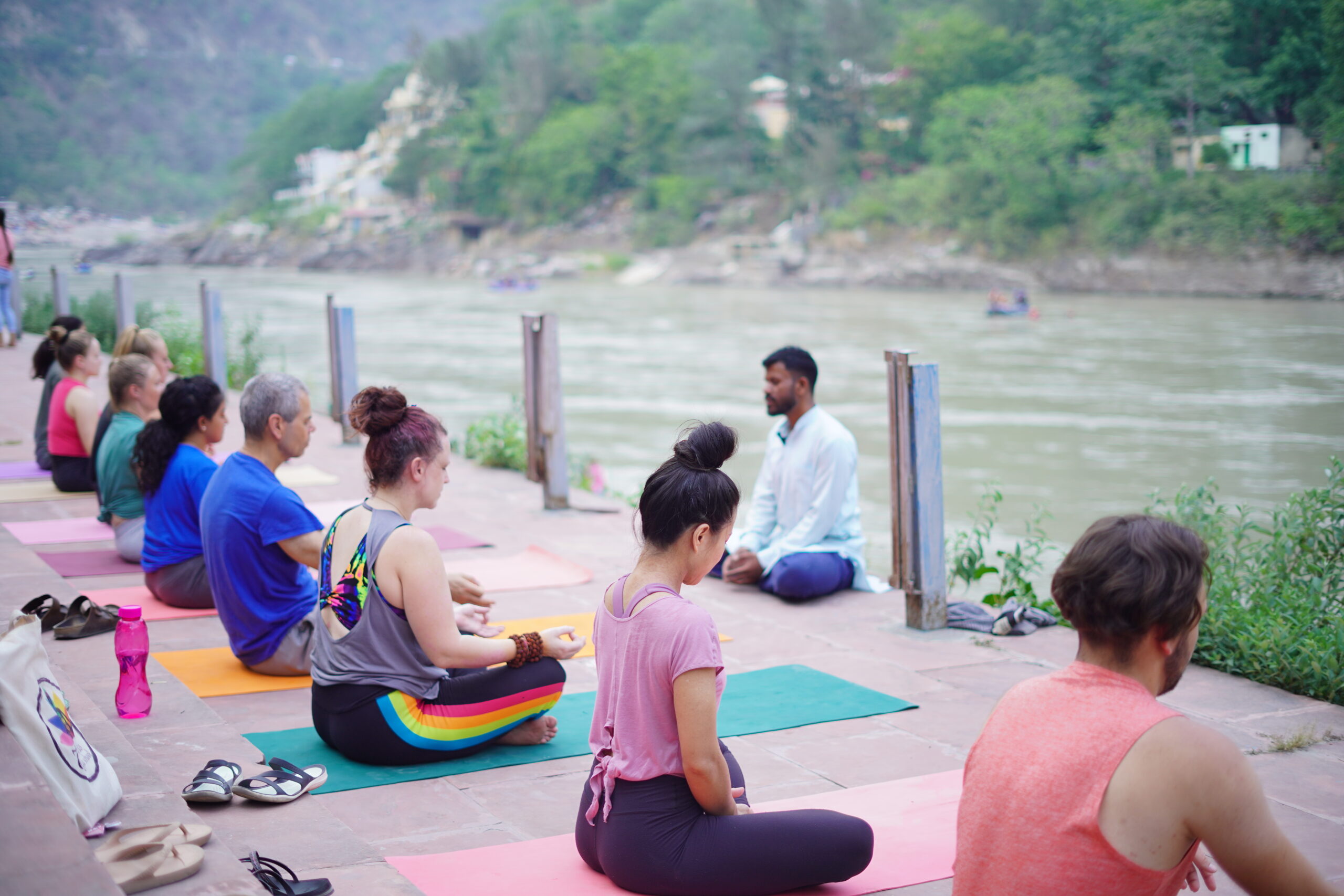

Rishikesh, the Yoga Capital of the World, is not only a hub for Hatha, Ashtanga, and Vinyasa Yoga but also a sacred space for exploring the profound and transformative practice of Kundalini Yoga. Often called the “Yoga of Awareness,” Kundalini Yoga is a powerful blend of movement, breath, sound, and meditation designed to awaken the dormant spiritual energy within you.
If you’re new to Kundalini Yoga, you might have questions:
- What exactly is Kundalini Yoga?
- How does it differ from other yoga styles?
- What are its benefits?
- Why is Rishikesh the perfect place to practice it?
- How can 8 Limbs Yoga School help you begin your Kundalini journey?
In this beginner’s guide, we’ll explore the essentials of Kundalini Yoga, its history, benefits, and practices, and why Rishikesh—and 8 Limbs Yoga School—is the ideal destination to dive into this ancient and powerful tradition.
What Is Kundalini Yoga?
The Concept of Kundalini
Kundalini Yoga is based on the idea of Kundalini energy, a dormant spiritual force believed to reside at the base of the spine (in the Muladhara or Root Chakra). In Sanskrit, “Kundalini” means “coiled snake,” symbolizing the potential energy that lies coiled at the spine’s base, waiting to be awakened.
When activated through specific practices, this energy rises through the chakras (energy centers) along the spine, leading to heightened awareness, spiritual growth, and self-realization.
The Origins of Kundalini Yoga
Kundalini Yoga has ancient roots in Tantra and Raj Yoga traditions. While it was traditionally taught in secret by gurus to their disciples, it was Yogi Bhajan who brought Kundalini Yoga to the West in the late 1960s. He founded the 3HO (Healthy, Happy, Holy Organization) and developed a systematic approach to make Kundalini Yoga accessible to everyone.
Today, Kundalini Yoga is practiced worldwide for its physical, mental, and spiritual benefits.

How Is Kundalini Yoga Different from Other Yoga Styles?
While Hatha, Vinyasa, and Ashtanga Yoga focus primarily on physical postures (asanas), Kundalini Yoga is a more dynamic and internal practice. Here’s how it stands out:
| Aspect | Kundalini Yoga | Hatha/Ashtanga/Vinyasa Yoga |
|---|---|---|
| Focus | Energy flow, breath, and consciousness | Physical alignment and postures |
| Movement | Repetitive, rhythmic movements (kriyas) | Static or flowing postures |
| Breathwork | Central to practice (pranayama techniques like Breath of Fire) | Supportive but not always central |
| Meditation | Integral part of every session | Often separate or optional |
| Sound | Mantras and chanting (e.g., “Sat Nam”) | Rarely used |
| Goal | Awaken Kundalini energy, expand consciousness | Improve flexibility, strength, and physical health |
Kundalini Yoga is less about perfecting postures and more about harnessing energy to transform your mind, body, and spirit.
The Core Components of Kundalini Yoga
Kundalini Yoga sessions typically include a combination of the following elements:
1. Kriyas (Sequences of Movement)
A kriya is a set of exercises that work on specific energy centers (chakras) or bodily systems. Each kriya has a particular purpose, such as:
- Boosting immunity
- Reducing stress
- Enhancing creativity
- Balancing emotions
Example: “Kriya for the Navel Center” focuses on strengthening the core and activating the Solar Plexus Chakra (Manipura).
2. Pranayama (Breathwork)
Breath is the bridge between the body and mind in Kundalini Yoga. Some key breathing techniques include:
- Breath of Fire (Kapalabhati): Rapid, rhythmic breathing through the nose to increase energy and detoxify the body.
- Long Deep Breathing: Slow, deep inhales and exhales to calm the nervous system.
- Alternate Nostril Breathing (Nadi Shodhana): Balances the left and right hemispheres of the brain.

3. Mantras and Chanting
Mantras are sacred sounds or phrases that vibrate at specific frequencies to elevate consciousness. Common mantras in Kundalini Yoga include:
- “Sat Nam” (“Truth is my identity”) – Used to connect with your true self.
- “Ong Namo Guru Dev Namo” – A tuning-in mantra to align with divine wisdom.
- “Wahe Guru” – An expression of ecstasy and gratitude.
Chanting mantras activates the vocal cords, stimulates the brain, and creates a meditative state.
4. Mudras (Hand Gestures)
Mudras are hand positions that direct energy flow in the body. For example:
- Gyan Mudra (Index finger and thumb touching): Enhances wisdom and knowledge.
- Shuni Mudra (Middle finger and thumb touching): Boosts patience and intuition.
5. Meditation
Kundalini Yoga meditations are powerful and transformative, often combining:
- Breathwork
- Mantras
- Mudras
- Visualization
Example: “Meditation for the Third Eye” involves focusing on the space between the eyebrows while chanting “Om” to awaken intuition.
6. Relaxation
After a Kundalini Yoga session, deep relaxation is essential to integrate the energy shifts. This often involves lying down in Savasana (Corpse Pose) and observing the breath.
Benefits of Kundalini Yoga
Kundalini Yoga offers a wide range of benefits for the body, mind, and spirit. Here are some of the most notable advantages:
Physical Benefits
✅ Increased Energy Levels: Kundalini Yoga activates the nervous system, leaving you feeling vibrant and energized.
✅ Improved Flexibility and Strength: While not as posture-focused as Hatha Yoga, Kundalini kriyas and movements still enhance physical health.
✅ Detoxification: Breath of Fire and other pranayama techniques help release toxins from the body.
✅ Better Digestion: Many kriyas stimulate the digestive system, improving metabolism and gut health.
✅ Stronger Immune System: Regular practice boosts immunity by balancing the body’s energy.
Mental and Emotional Benefits
✅ Reduced Stress and Anxiety: Kundalini Yoga calms the mind and lowers cortisol levels, helping you manage stress more effectively.
✅ Enhanced Focus and Clarity: The combination of breath, movement, and meditation sharpens mental focus and cognitive function.
✅ Emotional Balance: Kundalini Yoga helps release suppressed emotions, leading to greater emotional stability.
✅ Increased Creativity: By activating the Sacral Chakra (Svadhisthana), Kundalini Yoga enhances creativity and inspiration.
Spiritual Benefits
✅ Heightened Awareness: Kundalini Yoga expands consciousness, helping you connect with your higher self.
✅ Deeper Meditation: The meditative aspects of Kundalini Yoga deepen your spiritual practice.
✅ Self-Realization: By awakening Kundalini energy, you gain insights into your true nature and purpose in life.
✅ Connection to the Divine: Many practitioners report feeling a deeper connection to the universe and divine energy.
Why Practice Kundalini Yoga in Rishikesh?
Rishikesh is not just a beautiful destination—it’s a spiritual powerhouse that amplifies the benefits of Kundalini Yoga. Here’s why Rishikesh is the perfect place to begin or deepen your practice:
1. Sacred Energy
Rishikesh is known as the “Land of the Gods” for a reason. The vibrations of the Ganges River, the Himalayan mountains, and the ancient ashrams create a highly charged spiritual atmosphere that enhances energy work.
2. Authentic Teachers
Rishikesh attracts some of the most experienced Kundalini Yoga teachers in the world. Many have studied under renowned gurus and bring deep wisdom to their classes.
3. Immersive Environment
In Rishikesh, you’re surrounded by yoga 24/7. From morning aartis (rituals) by the Ganges to evening kirtans (devotional chanting), the entire town vibrates with spiritual energy.
4. Community of Like-Minded Seekers
Rishikesh is a melting pot of spiritual seekers from all over the world. Practicing Kundalini Yoga here allows you to connect with a global community of yogis, healers, and meditation practitioners.
5. Holistic Wellness
Many yoga schools in Rishikesh, including 8 Limbs Yoga School, offer Kundalini Yoga as part of a broader holistic curriculum that includes:
- Ayurveda
- Meditation
- Pranayama
- Yoga Philosophy
This integrated approach ensures you benefit from multiple traditions in one place.
What to Expect in a Kundalini Yoga Class in Rishikesh
If you’re new to Kundalini Yoga, here’s what a typical class in Rishikesh might look like:
1. Tuning In (Opening)
- The class begins with the “Adi Mantra” (“Ong Namo Guru Dev Namo”) to set the intention and connect with divine wisdom.
2. Warm-Up Exercises
- Gentle stretches and movements to prepare the body for the kriya.
3. Kriya (Main Practice)
- A set of dynamic movements, breathwork, and mantras designed for a specific purpose (e.g., stress relief, energy boost, or chakra balancing).
- Example: “Kriya for the Adrenal Glands” to reduce stress and fatigue.
4. Deep Relaxation
- A 5–10 minute relaxation in Savasana (Corpse Pose) to integrate the energy shifts.
5. Meditation
- A guided meditation using mantras, mudras, and breathwork to deepen awareness.
- Example: “Meditation for the Heart Chakra” to cultivate love and compassion.
6. Closing
- The class ends with the “Long Time Sun” song (“May the long time sun shine upon you…”) to seal the energy and express gratitude.
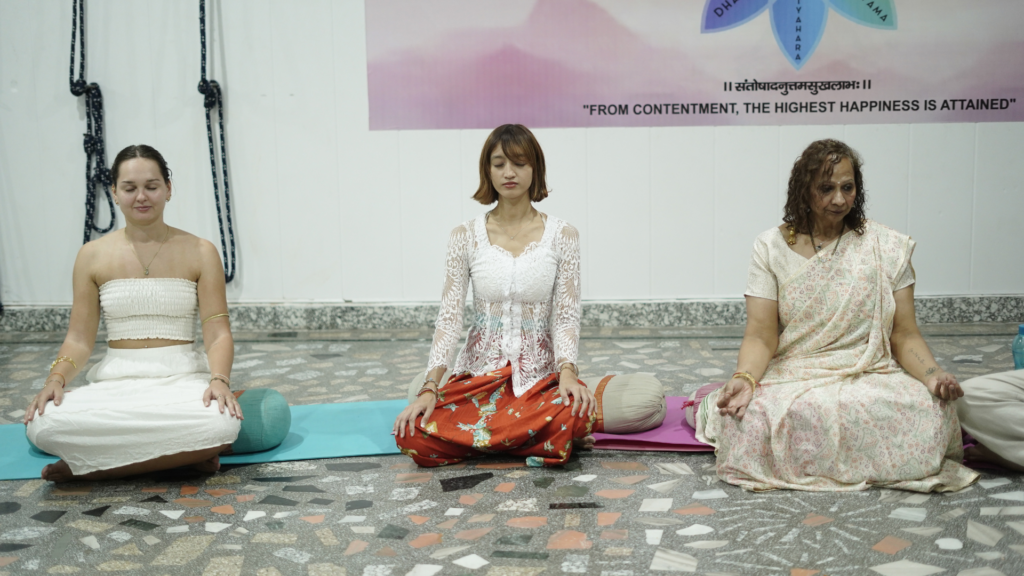
Kundalini Yoga at 8 Limbs Yoga School
At 8 Limbs Yoga School, we offer Kundalini Yoga as part of our holistic yoga teacher training programs and workshops. Here’s why our school is the ideal place to explore Kundalini Yoga in Rishikesh:
1. Experienced Kundalini Yoga Teachers
Our certified Kundalini Yoga instructors have years of experience and deep knowledge of this ancient practice. They guide students with patience, clarity, and wisdom.
2. Authentic and Safe Practices
Kundalini Yoga can be intense, and it’s essential to practice safely. Our teachers ensure that beginners and advanced practitioners alike can benefit without risking energy imbalances.
3. Integration with Other Yoga Styles
At 8 Limbs Yoga School, we combine Kundalini Yoga with Hatha, Ashtanga, and Yin Yoga to give you a well-rounded experience. This integrated approach helps you understand how different yoga styles complement each other.
4. Serene and Supportive Environment
Our school is located in Tapovan, Rishikesh, a peaceful area surrounded by nature and spiritual energy. This tranquil setting is perfect for deepening your Kundalini practice.
5. Community and Support
At 8 Limbs Yoga School, you’ll join a supportive community of like-minded yogis. Whether you’re here for a short workshop or a month-long teacher training, you’ll feel welcomed and encouraged every step of the way.
Tips for Beginners Starting Kundalini Yoga
If you’re new to Kundalini Yoga, here are some tips to help you get started:
1. Start Slow
Kundalini Yoga can be intense, especially if you’re not used to rapid breathing or dynamic movements. Listen to your body and take breaks when needed.
2. Wear Comfortable Clothing
Opt for loose, white clothing (traditionally worn in Kundalini Yoga to expand energy). Avoid tight or restrictive outfits.
3. Stay Hydrated
Kundalini Yoga activates the nervous system and can increase body heat. Drink plenty of water before and after your practice.
4. Practice on an Empty Stomach
Avoid eating 2–3 hours before a Kundalini Yoga session to prevent discomfort during breathwork and movements.
5. Be Open to the Experience
Kundalini Yoga can bring up emotions, memories, or sensations. Stay open and non-judgmental—this is part of the healing process.
6. Find a Qualified Teacher
If you’re practicing in Rishikesh, choose a reputable school like 8 Limbs Yoga School with experienced Kundalini Yoga instructors.

Common Misconceptions About Kundalini Yoga
Despite its growing popularity, Kundalini Yoga is often misunderstood. Here are some common myths debunked:
Myth 1: Kundalini Yoga Is Only for Advanced Yogis
✅ Truth: Kundalini Yoga is accessible to everyone, including beginners. The key is to start slow and follow guidance from a qualified teacher.
Myth 2: Kundalini Yoga Is Dangerous
✅ Truth: While Kundalini energy can feel intense, practicing under the guidance of an experienced teacher ensures a safe and balanced experience.
Myth 3: You Need to Be Spiritual to Practice Kundalini Yoga
✅ Truth: Kundalini Yoga is not about religion—it’s about energy and awareness. People of all backgrounds can benefit from its physical and mental advantages.
Myth 4: Kundalini Yoga Is Just About Breathwork
✅ Truth: While pranayama (breathwork) is a core component, Kundalini Yoga also includes movement, mantras, mudras, and meditation.

Conclusion: Begin Your Kundalini Yoga Journey in Rishikesh
Kundalini Yoga is a powerful and transformative practice that can awaken your inner energy, expand your consciousness, and bring profound changes to your mind, body, and spirit. And there’s no better place to begin this journey than Rishikesh—the Yoga Capital of the World.
At 8 Limbs Yoga School, we’re passionate about sharing the wisdom of Kundalini Yoga in a safe, supportive, and authentic way. Whether you’re a complete beginner or an experienced yogi, our Kundalini Yoga classes and workshops will help you tap into your inner power and experience the magic of this ancient practice.
🔗 Join Us for a Kundalini Yoga class, workshop, or teacher training in Rishikesh and start your journey toward awakening!
Leave a Reply