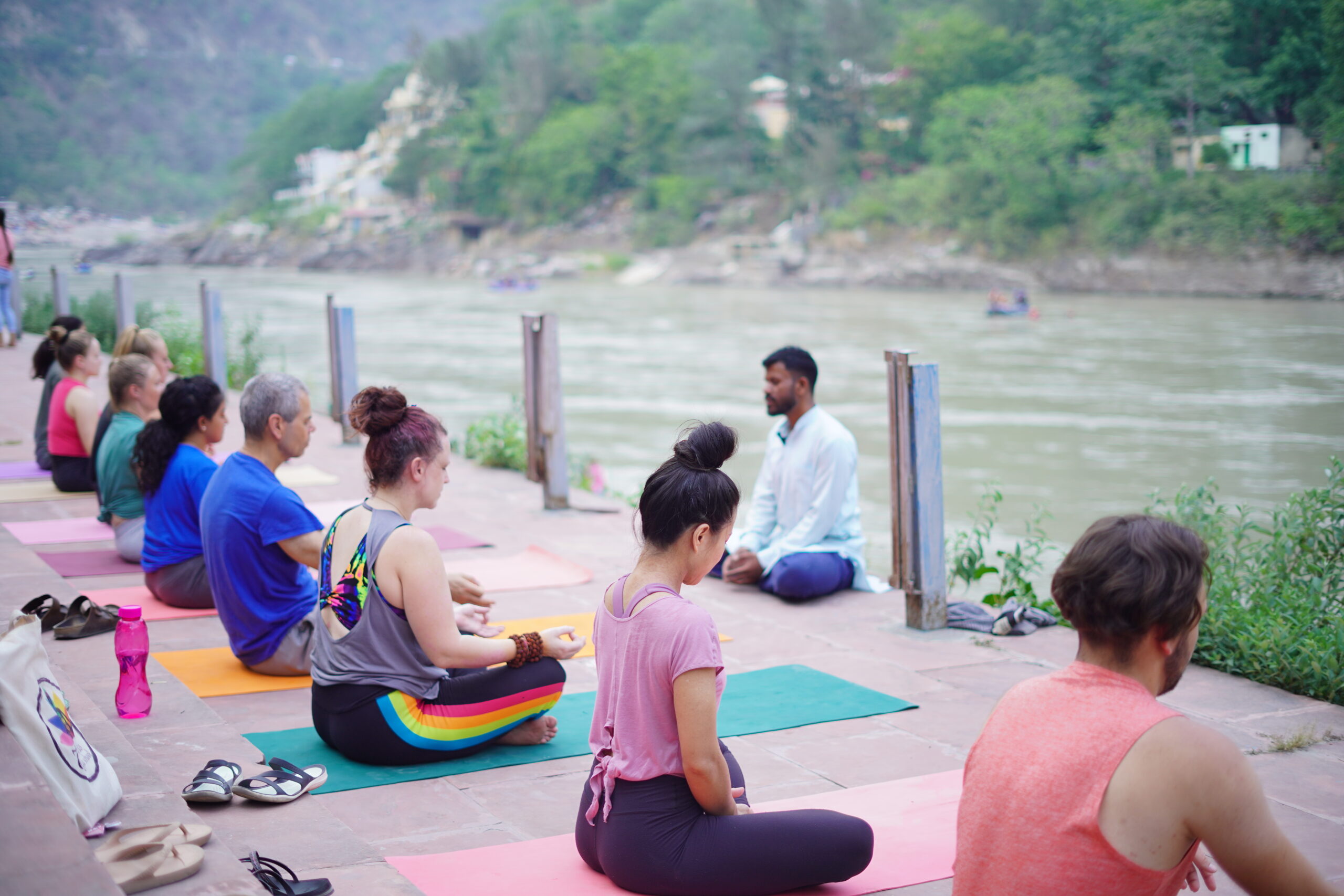
Imagine waking up to the sound of birds chirping, the gentle rustle of leaves, and the distant chanting of mantras as the first rays of sunlight touch the Himalayan foothills. This is the magic of a yoga retreat in India—a life-changing experience that goes far beyond the physical practice of yoga.
India, the birthplace of yoga, offers a unique and spiritual environment for a yoga retreat. Whether you’re a beginner yogi or a seasoned practitioner, a retreat in India can rejuvenate your mind, body, and soul while deepening your connection to the ancient traditions of yoga.
But if you’ve never been on a yoga retreat before, you might be wondering:
- What exactly happens during a yoga retreat in India?
- What should I expect from the daily schedule?
- How do I prepare for my first retreat?
- What makes a retreat in India different from one in my home country?
- Why should I choose 8 Limbs Yoga School for my retreat?
In this comprehensive guide, we’ll explore:
- The unique experience of a yoga retreat in India.
- What to expect during your first retreat, from daily routines to cultural immersion.
- Tips for preparing for your journey.
- Why 8 Limbs Yoga School is the perfect place for your first yoga retreat in India.
By the end, you’ll feel excited, prepared, and confident to embark on your first yoga retreat in India!
Why Choose India for Your First Yoga Retreat?
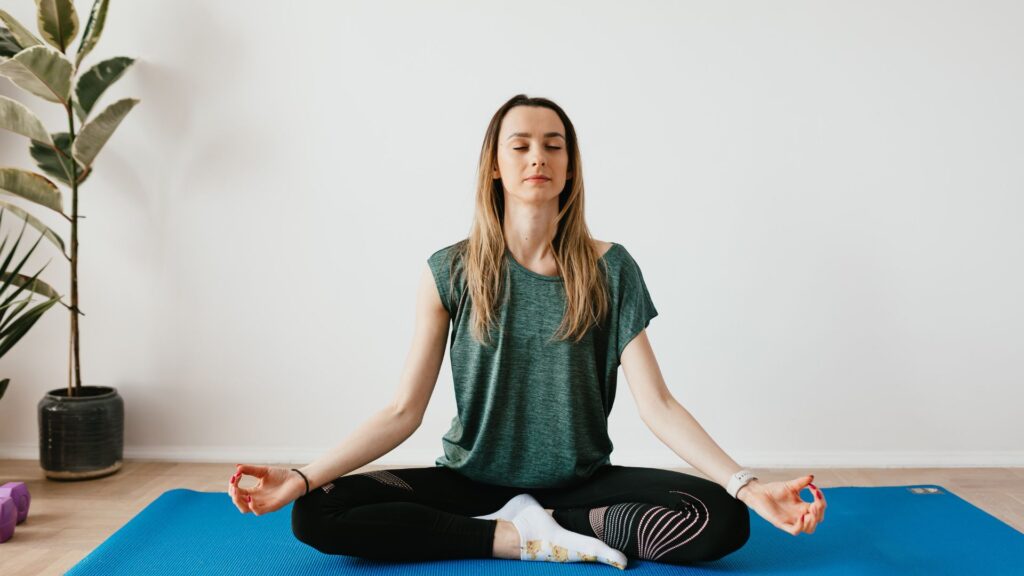
India is the heart and soul of yoga, and a retreat here offers unparalleled benefits that you won’t find anywhere else. Here’s why India should be at the top of your list for your first yoga retreat:
1. The Birthplace of Yoga
India is where yoga originated over 5,000 years ago. The ancient texts, traditions, and wisdom of yoga are deeply rooted in Indian culture. Practicing yoga in India allows you to connect with its authentic essence and learn from the source.
2. Spiritual and Sacred Energy
India is steeped in spirituality, and places like Rishikesh, Varanasi, and Dharamshala are energetically charged with the vibrations of centuries of yoga and meditation. The sacred Ganges River, Himalayan mountains, and ancient temples create an atmosphere of peace and transformation that enhances your practice.
3. World-Class Yoga Teachers
In India, you’ll have the opportunity to learn from some of the most experienced and knowledgeable yoga teachers in the world. Many of these teachers have dedicated their lives to the study and practice of yoga and bring deep wisdom to their classes.
4. Affordable and Luxurious Retreats
Compared to retreats in Western countries, yoga retreats in India are incredibly affordable without compromising on quality or luxury. You can find budget-friendly ashrams as well as high-end retreats with private accommodations, gourmet vegetarian meals, and spa treatments.
5. Cultural Immersion
A yoga retreat in India is not just about yoga—it’s also an opportunity to immerse yourself in Indian culture. From participating in traditional ceremonies to exploring local markets and trying authentic Indian cuisine, you’ll experience the richness of India firsthand.
6. Holistic Wellness
Many yoga retreats in India offer a holistic approach to wellness, including:
- Ayurvedic treatments (e.g., massages, herbal therapies)
- Meditation and mindfulness practices
- Pranayama (breathwork) sessions
- Healthy, sattvic (pure) meals to nourish your body and mind
This integrated approach ensures you leave the retreat feeling rejuvenated on all levels.
What to Expect During Your First Yoga Retreat in India

If you’ve never been on a yoga retreat before, it’s natural to feel a mix of excitement and curiosity about what to expect. Here’s a detailed breakdown of what your first yoga retreat in India might look like:
1. Arrival and Welcome
Your retreat will likely begin with a warm welcome from the retreat organizers or teachers. You’ll be shown to your accommodation, given a tour of the facilities, and introduced to the daily schedule. Many retreats also include a welcome ceremony or orientation session to help you settle in and meet your fellow retreat participants.
What to expect:
- Check-in and room assignment
- Welcome drink (e.g., herbal tea or fresh coconut water)
- Introduction to the retreat’s rules and guidelines
- Icebreaker activities to connect with other participants
2. Daily Schedule: A Typical Day at a Yoga Retreat
While schedules vary depending on the retreat, most follow a similar structure designed to balance yoga, relaxation, and exploration. Here’s what a typical day might look like:
| Time | Activity | Description |
|---|---|---|
| 5:30–6:00 AM | Wake Up | Start your day with sunrise views and fresh mountain air. |
| 6:00–6:30 AM | Herbal Tea or Lemon Water | Hydrate and awaken your digestive system. |
| 6:30–8:00 AM | Morning Yoga and Pranayama | A dynamic or gentle yoga class followed by breathwork (pranayama). |
| 8:00–9:00 AM | Breakfast | A nutritious, vegetarian meal to fuel your body. |
| 9:00–10:30 AM | Meditation or Yoga Philosophy | Guided meditation or a lecture on yoga philosophy, anatomy, or Ayurveda. |
| 10:30–11:30 AM | Free Time or Workshop | Relax, journal, or attend a workshop (e.g., Ayurveda, chanting, or cooking class). |
| 12:00–1:00 PM | Lunch | Another healthy, vegetarian meal. |
| 1:00–3:00 PM | Rest or Self-Study | Siesta time to digest your food and recharge. |
| 3:00–4:30 PM | Afternoon Yoga or Workshop | A gentler yoga class or specialized workshop (e.g., Yin Yoga, restorative yoga). |
| 4:30–5:30 PM | Free Time or Exploration | Explore the local area, visit temples, or relax by the Ganges. |
| 5:30–6:30 PM | Pranayama or Meditation | Deep breathing exercises or guided meditation to wind down. |
| 6:30–7:30 PM | Dinner | A light, vegetarian meal to aid digestion and relaxation. |
| 7:30–8:30 PM | Evening Program | Satsang (spiritual discourse), kirtan (devotional chanting), or bonfire. |
| 9:00 PM | Lights Out | Early bedtime to ensure restful sleep and recharge for the next day. |
3. Yoga Classes: What to Expect
Yoga classes during a retreat are designed to cater to all levels, from beginners to advanced practitioners. Here’s what you can expect:
Morning Yoga
- Dynamic and energizing (e.g., Ashtanga, Vinyasa, or Hatha Yoga).
- Focus on building strength, flexibility, and endurance.
- Alignment cues and hands-on adjustments from teachers.
Afternoon Yoga
- Gentler and restorative (e.g., Yin Yoga, Restorative Yoga, or Gentle Hatha).
- Focus on deep stretching, relaxation, and breathwork.
- Props (blocks, bolsters, straps) are often used to enhance comfort and alignment.
What to bring:
- Yoga mat (some retreats provide them, but you may prefer your own).
- Comfortable yoga clothes (lightweight, breathable fabrics).
- Water bottle to stay hydrated.
- Towel for sweat or to use as a prop.
4. Meditation and Pranayama Sessions
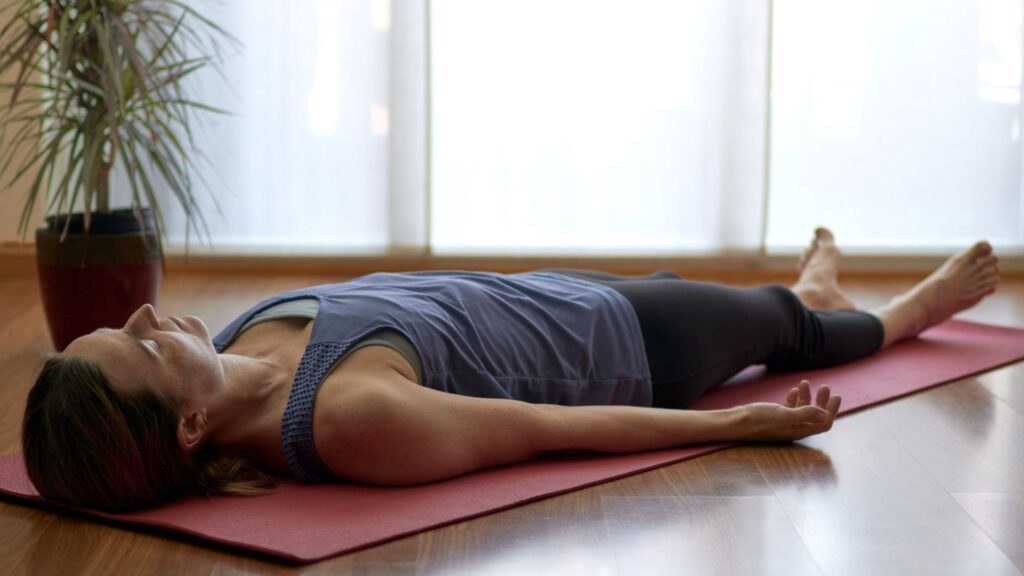
Meditation and pranayama (breathwork) are core components of a yoga retreat in India. These sessions help you:
- Calm your mind and reduce stress.
- Improve focus and mental clarity.
- Connect with your inner self.
Common meditation techniques:
- Mindfulness Meditation: Focusing on the breath, body, or sensations.
- Mantra Meditation: Repeating a sacred sound or phrase (e.g., “Om” or “So Hum”).
- Guided Visualization: Following a teacher’s instructions to imagine peaceful scenes.
- Loving-Kindness Meditation (Metta): Cultivating compassion and positivity.
Common pranayama techniques:
- Deep Belly Breathing (Diaphragmatic Breathing)
- Alternate Nostril Breathing (Nadi Shodhana)
- Breath of Fire (Kapalabhati)
- 4-7-8 Breathing
5. Cultural Immersion and Excursions
A yoga retreat in India is not just about yoga—it’s also an opportunity to immerse yourself in the local culture. Many retreats include excursions and activities such as:
- Ganga Aarti: A sacred ritual performed at sunset on the banks of the Ganges River in Rishikesh. Participants light lamps, chant mantras, and offer prayers to the river.
- Temple Visits: Explore ancient temples like Kunapuri Temple, Neelkanth Mahadev, or Beatles Ashram in Rishikesh.
- Ayurvedic Treatments: Experience traditional Indian healing through massages, herbal therapies, and consultations with Ayurvedic doctors.
- Cooking Classes: Learn to prepare healthy, vegetarian Indian dishes using local ingredients and spices.
- Local Markets: Shop for handmade crafts, clothing, and souvenirs at local markets like Lakshman Jhula Market in Rishikesh.
6. Food: Nourishing Your Body and Soul
Food is a vital part of any yoga retreat in India. Most retreats offer vegetarian (sattvic) meals that are designed to nourish your body and support your yoga practice. Here’s what to expect:
Sattvic Diet: The Yoga Diet
A sattvic diet consists of pure, fresh, and easily digestible foods that promote physical and mental clarity. Common foods include:
- Fresh fruits and vegetables (e.g., mangoes, bananas, spinach, cucumbers).
- Whole grains (e.g., rice, quinoa, millet).
- Legumes and lentils (e.g., dal, chickpeas).
- Nuts and seeds (e.g., almonds, cashews, sesame seeds).
- Dairy products (e.g., yogurt, ghee, milk).
- Herbal teas and infusions (e.g., ginger tea, tulsi tea, chai).
Avoid:
- Processed foods
- Meat, fish, and eggs
- Alcohol and caffeine
- Spicy or overly salty foods
Meal Times:
- Breakfast: Light and easily digestible (e.g., fruit salad, porridge, or idli).
- Lunch: Nutritious and filling (e.g., dal, rice, roti, and vegetable curries).
- Dinner: Light and early (e.g., soup, khichdi, or salad) to aid digestion and promote restful sleep.
7. Accommodation: Where You’ll Stay
Accommodation at yoga retreats in India varies widely, from simple ashrams to luxury resorts. Here’s what to expect:
Types of Accommodation:
| Type | Description | Best For |
|---|---|---|
| Ashram | Simple, shared rooms with basic amenities. Often spiritually focused. | Budget travelers, spiritual seekers |
| Eco-Retreat | Eco-friendly cottages or tents surrounded by nature. | Nature lovers, eco-conscious travelers |
| Luxury Retreat | Private rooms, en-suite bathrooms, and premium amenities (e.g., spa, pool). | Those seeking comfort and luxury |
| Homestay | Stay with a local family for an authentic cultural experience. | Cultural immersion, budget travelers |
What to expect in your room:
- Comfortable bed with clean linens.
- Private or shared bathroom (depending on the retreat).
- Basic furnishings (e.g., wardrobe, desk, or seating area).
- Wi-Fi (though some retreats encourage digital detox).
8. Community and Connection
One of the most rewarding aspects of a yoga retreat is the sense of community you’ll experience. You’ll meet like-minded people from all over the world, share stories, and form lifelong friendships. Many retreats include:
- Group activities (e.g., hiking, bonfires, or movie nights).
- Partner or group yoga practices.
- Discussion circles to share insights and reflections.
9. Personal Growth and Transformation
A yoga retreat in India is a powerful opportunity for personal growth. Many participants report:
- Increased self-awareness and mindfulness.
- Greater emotional balance and resilience.
- Improved physical health and flexibility.
- A deeper connection to their inner self and spirituality.
- Clarity and inspiration for their life’s purpose.
Tip: Keep a journal during your retreat to reflect on your experiences and track your growth.
10. Departure: Taking the Retreat Home
As your retreat comes to an end, you’ll likely feel a mix of gratitude, inspiration, and sadness to leave. Many retreats include a closing ceremony to celebrate your journey and set intentions for the future.
What to expect:
- Group sharing circle to reflect on your experience.
- Gratitude practice to acknowledge the lessons learned.
- Tips for maintaining your practice at home.
- Exchange of contact information with fellow participants.
How to take the retreat home:
- Commit to a daily yoga and meditation practice.
- Incorporate sattvic foods into your diet.
- Stay connected with your retreat community.
- Plan your next retreat or yoga adventure!
Why Choose 8 Limbs Yoga School for Your Yoga Retreat in India?
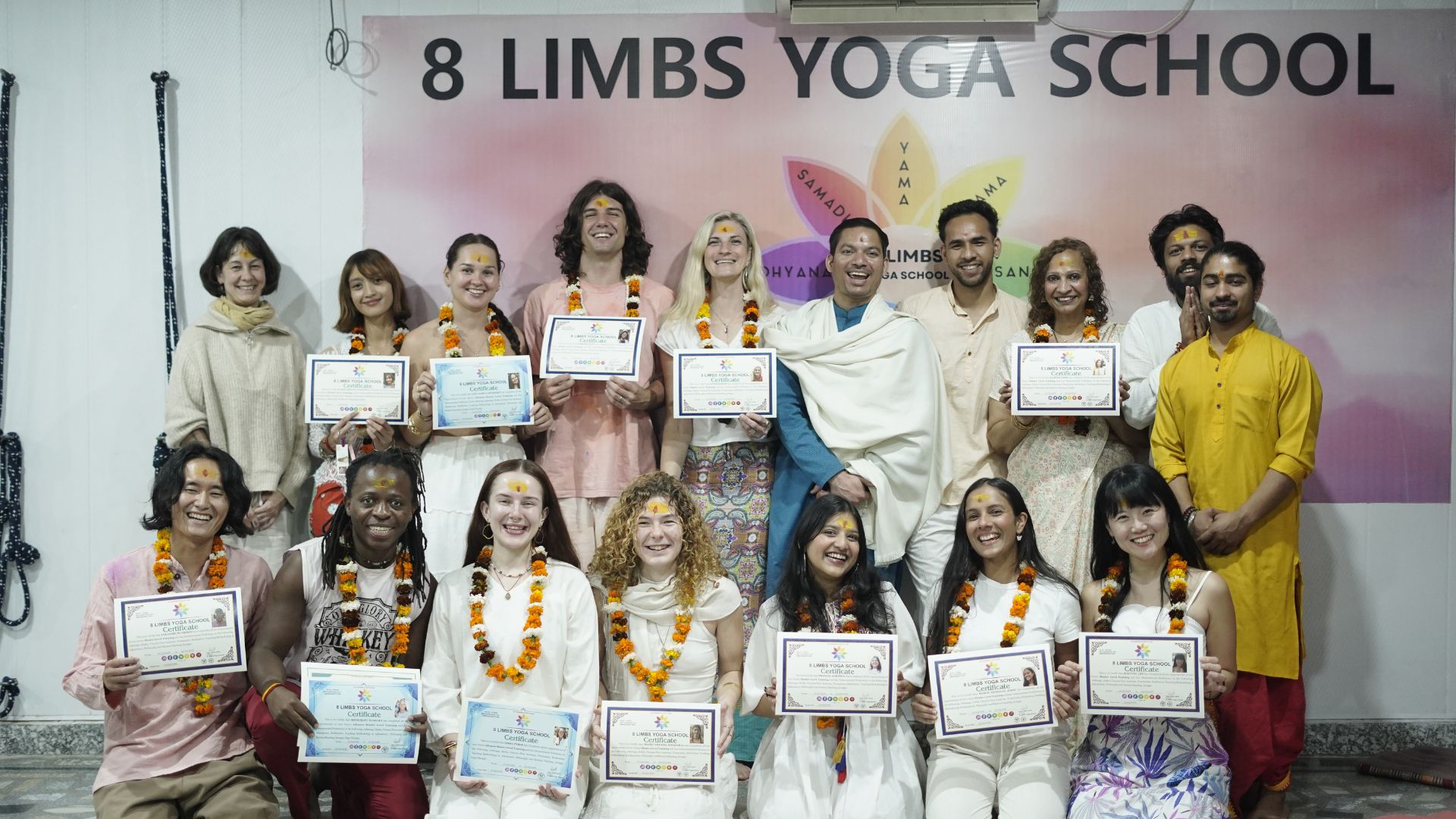
If you’re looking for a transformative, authentic, and well-rounded yoga retreat in India, 8 Limbs Yoga School in Rishikesh is the perfect choice. Here’s why:
1. Authentic and Holistic Approach
At 8 Limbs Yoga School, we offer a holistic yoga retreat experience that combines:
- Daily yoga and meditation classes
- Pranayama and breathwork sessions
- Yoga philosophy and anatomy workshops
- Ayurvedic treatments and consultations
- Cultural excursions and activities
This integrated approach ensures you experience the full benefits of a yoga retreat.
2. Experienced and Passionate Teachers
Our certified yoga teachers have years of experience and are dedicated to your growth. They’ll guide you safely through your practice and provide personalized attention to help you deepening your understanding of yoga.
3. Serene and Inspiring Location
Located in Tapovan, Rishikesh, our school offers a peaceful and spiritual environment for your retreat. The Himalayan views and Ganges River create a calming atmosphere that enhances your practice.
4. Comfortable and Nourishing Accommodation
We provide clean, comfortable, and nourishing accommodation and meals to support your retreat experience. Our vegetarian meals are prepared with love and care to fuel your body and mind.
5. Supportive and Welcoming Community
At 8 Limbs Yoga School, you’ll join a community of like-minded yogis from around the world. Our supportive and welcoming environment ensures you feel at home from the moment you arrive.
6. Affordable and Transparent Pricing
We believe in fair and transparent pricing with no hidden costs. Our yoga retreats are competitively priced and include:
- Accommodation
- Vegetarian meals
- Yoga classes and workshops
- Cultural excursions and activities
Conclusion: Embark on Your Yoga Retreat Journey in India
A yoga retreat in India is more than just a vacation—it’s a transformative journey that can rejuvenate your mind, body, and soul. From daily yoga and meditation to cultural immersion and personal growth, a retreat in India offers a unique and unforgettable experience.
If you’re ready to embark on your first yoga retreat, 8 Limbs Yoga School in Rishikesh is the perfect place to begin your journey. Our authentic, holistic, and supportive retreat programs will guide you every step of the way, ensuring you leave feeling refreshed, inspired, and transformed.
🔗 Explore our yoga retreat programs and start your journey toward a deeper, more fulfilling yoga practice today!
FAQ: Yoga Retreat in India
Here are answers to some of the most frequently asked questions about yoga retreats in India:
Q1. What should I pack for a yoga retreat in India?
Packing for a yoga retreat in India requires a balance of practicality and comfort. Here’s a checklist of essentials:
Clothing:
- Lightweight, breathable yoga clothes (e.g., leggings, shorts, tank tops).
- Comfortable, modest clothing for temple visits and cultural excursions (e.g., long skirts, loose pants, scarves).
- Swimwear (if your retreat has a pool or offers water activities).
- Warm layers (e.g., sweater, shawl) for cool mornings and evenings.
Yoga Gear:
- Yoga mat (some retreats provide them, but you may prefer your own).
- Yoga props (e.g., blocks, straps, bolsters) if you have favorites.
- Meditation cushion or blanket for comfort during meditation.
Toiletries:
- Natural, eco-friendly toiletries (e.g., shampoo, soap, toothpaste).
- Sunscreen and lip balm (with SPF).
- Insect repellent (to protect against mosquitoes).
- Hand sanitizer and wet wipes.
Health and Safety:
- Prescription medications (with original packaging).
- Basic first-aid kit (e.g., band-aids, antiseptic cream, pain relievers).
- Reusable water bottle (to stay hydrated).
- Travel insurance (to cover medical emergencies).
Miscellaneous:
- Journal and pen (for reflecting on your experience).
- Camera or smartphone (to capture memories).
- Power adapter and charger (India uses Type D and Type M plugs, 230V, 50Hz).
- Cash (INR) and credit/debit cards (for local purchases and tips).
Q2. Do I need a visa to attend a yoga retreat in India?
Yes, most international travelers need a visa to enter India. The type of visa you need depends on:
- Your nationality
- The duration of your stay
- The purpose of your visit
Common visa options for yoga retreats:
- e-Visa (Tourist Visa): Valid for 30 days, 1 year, or 5 years (depending on your nationality). Apply online before your trip.
- Tourist Visa: Valid for 6 months to 10 years (depending on your nationality). Apply at an Indian embassy or consulate.
Tip: Check the official Indian government website or consult your nearest Indian embassy for the latest visa requirements.
Q3. Is it safe to travel to India for a yoga retreat?
Yes, India is generally safe for international travelers, especially in popular yoga destinations like Rishikesh, Goa, and Dharamshala. However, it’s important to take precautions, such as:
- Avoiding isolated areas at night.
- Keeping your belongings secure (e.g., use a money belt or anti-theft bag).
- Drinking bottled or filtered water to prevent stomach issues.
- Respecting local customs and traditions (e.g., dress modestly, remove shoes before entering temples).
- Using reputable transportation (e.g., prepaid taxis, ride-hailing apps like Uber or Ola).
Tip: Register with your country’s embassy before traveling to receive safety updates.
Q4. Can beginners attend a yoga retreat in India?
Absolutely! Yoga retreats in India welcome practitioners of all levels, from complete beginners to advanced yogis. Most retreats offer:
- Beginner-friendly yoga classes with modified poses and props.
- Workshops on yoga fundamentals (e.g., alignment, breathwork, meditation).
- One-on-one guidance from experienced teachers.
Tip: If you’re a beginner, look for retreats that explicitly mention they’re suitable for all levels.
Q5. What is the food like at a yoga retreat in India?
Most yoga retreats in India offer vegetarian (sattvic) meals that are designed to nourish your body and support your yoga practice. Expect:
- Fresh, locally sourced ingredients (e.g., fruits, vegetables, grains, legumes).
- Ayurvedic principles (e.g., easily digestible, balancing for your dosha).
- No meat, fish, eggs, alcohol, or caffeine (to promote clarity and detoxification).
Common foods:
- Breakfast: Fruit salad, porridge, idli, dosa, or chai.
- Lunch: Dal, rice, roti, vegetable curries, or lentil soup.
- Dinner: Khichdi, soup, salad, or light curries.
Tip: If you have dietary restrictions (e.g., vegan, gluten-free), inform the retreat organizers in advance.
Leave a Reply