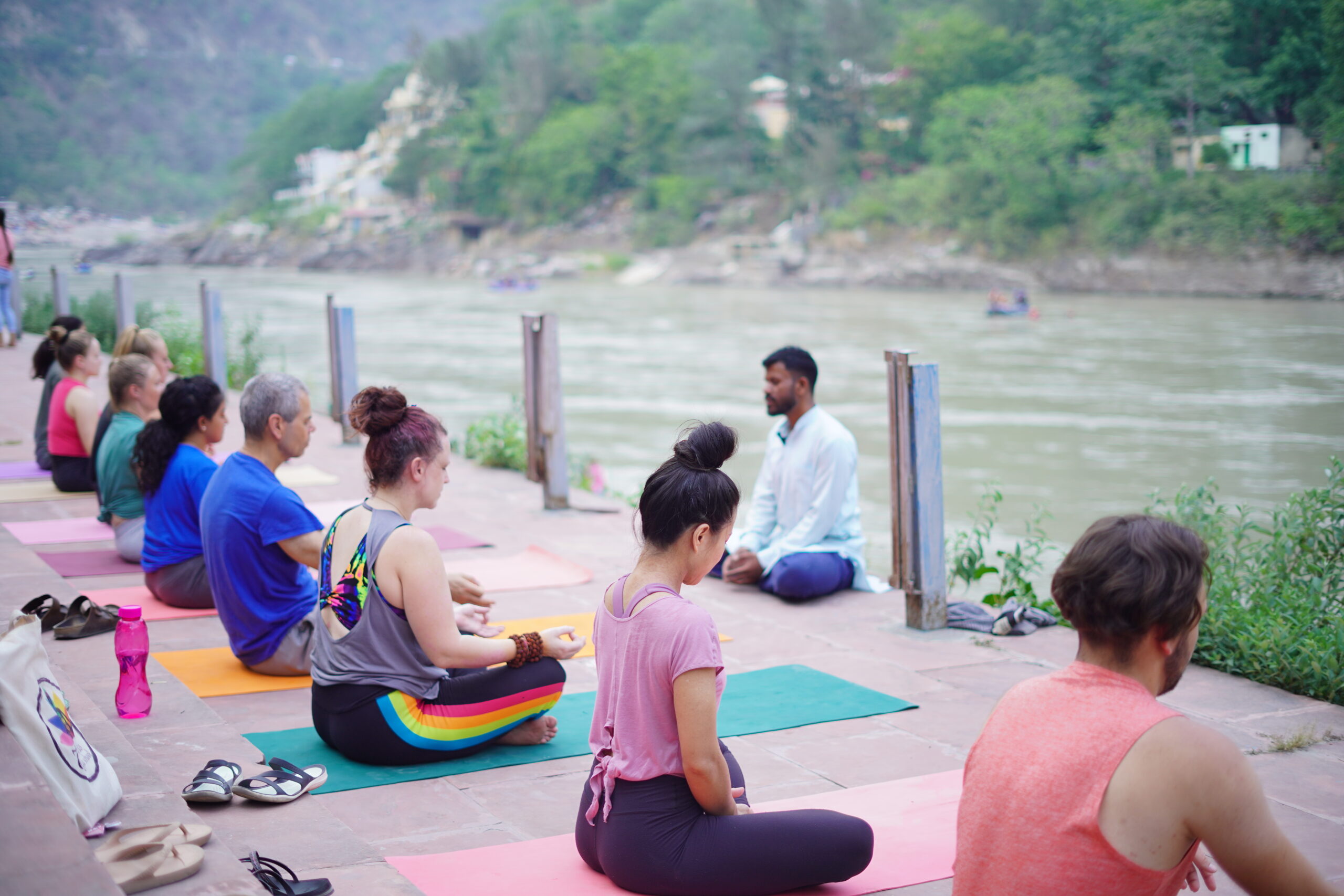
In the fast-paced, stress-filled world we live in, finding natural, effective ways to calm the mind, boost energy, and improve overall well-being is more important than ever. While yoga asanas (postures) are widely recognized for their physical benefits, **pranayama—the ancient yogic practice of breath control—**is often overlooked despite its profound impact on both mind and body.
Pranayama (from the Sanskrit words prana = life force, and ayama = control) is the art of conscious breathing. It’s a powerful tool that has been used for thousands of years to balance energy, enhance vitality, and promote deep relaxation. Unlike regular breathing, pranayama involves specific techniques to regulate the breath, which in turn regulates the flow of prana (life energy) throughout the body.
In this comprehensive guide, we’ll explore:
- The science behind pranayama and how it works.
- 11 incredible benefits of daily pranayama for your mind and body.
- Simple pranayama techniques you can start practicing today.
- Why 8 Limbs Yoga School is the perfect place to deepening your pranayama practice.
- A detailed FAQ section to answer all your questions about pranayama.
By the end, you’ll understand why pranayama is a game-changer for your physical, mental, and emotional health—and how to incorporate it into your daily routine.
The Science Behind Pranayama
Before diving into the benefits of pranayama, let’s explore the science that makes it so effective.
The Connection Between Breath and the Nervous System
Your breath is directly linked to your nervous system. The autonomic nervous system (ANS) controls involuntary bodily functions, including breathing, heart rate, and digestion. The ANS has two main branches:
- Sympathetic Nervous System (SNS): The “fight or flight” response, which increases heart rate, blood pressure, and stress hormones like cortisol.
- Parasympathetic Nervous System (PNS): The “rest and digest” response, which slows the heart rate, lowers blood pressure, and promotes relaxation.
Pranayama activates the PNS, helping to counteract the effects of chronic stress and bring the body back into balance.
How Pranayama Affects the Brain
Pranayama has a direct impact on brain function by:
- Increasing oxygen supply to the brain, which enhances cognitive function and improves focus.
- Stimulating the vagus nerve, a key nerve that connects the brain to the body and regulates the PNS. This reduces inflammation, lowers stress, and improves emotional resilience.
- Balancing the left and right hemispheres of the brain, which enhances mental clarity and emotional stability.
Pranayama and the Respiratory System
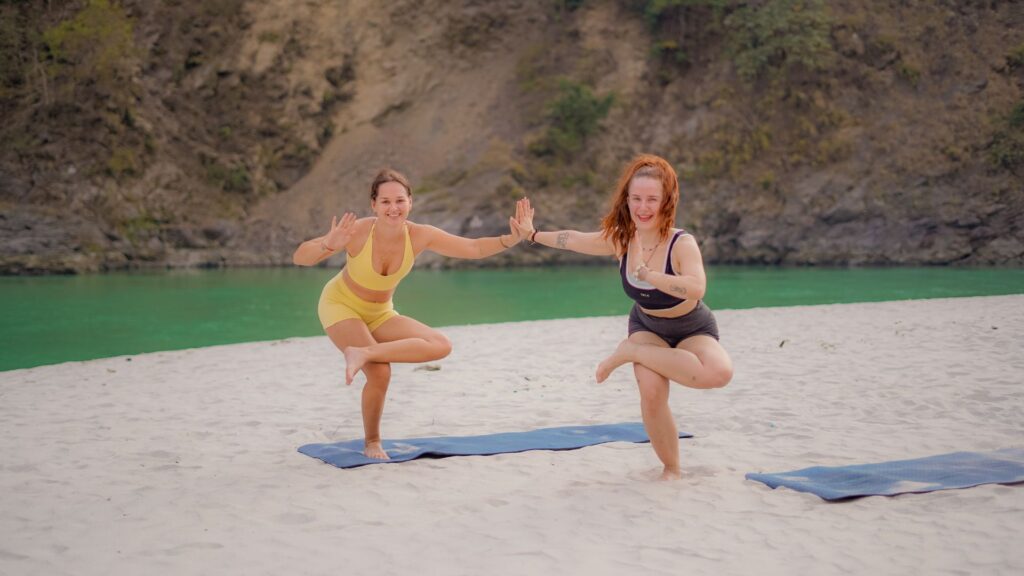
Most people breathe shallowly, using only a fraction of their lung capacity. Pranayama trains the lungs to expand fully, improving oxygen exchange and removing toxins from the body. This strengthens the respiratory system and boosts overall vitality.
Pranayama and Energy Flow (Prana)
In yogic philosophy, prana is the life force energy that flows through the body via energy channels (nadis). When prana flows freely, the body and mind are healthy and balanced. However, stress, poor posture, and shallow breathing can block prana, leading to fatigue, illness, and mental fog.
Pranayama clears these blockages, allowing prana to flow smoothly and restoring balance to the body and mind.
11 Powerful Benefits of Daily Pranayama
Now that we understand the science behind pranayama, let’s explore its 11 incredible benefits for your mind and body.
1. Reduces Stress and Anxiety
How it works: Pranayama activates the parasympathetic nervous system (PNS), which lowers cortisol (the stress hormone) and promotes relaxation. Techniques like Deep Belly Breathing and Alternate Nostril Breathing are especially effective for calming the mind and reducing anxiety.
Scientific Support: A 2017 study published in the Journal of Evidence-Based Complementary & Alternative Medicine found that pranayama significantly reduced stress and anxiety levels in participants.
Try This: Practice 5–10 minutes of Deep Belly Breathing daily to lower stress levels.
2. Improves Mental Clarity and Focus
How it works: Pranayama increases oxygen flow to the brain, which enhances cognitive function and improves focus. Techniques like Breath of Fire (Kapalabhati) and 4-7-8 Breathing are great for sharpening the mind.
Scientific Support: A 2019 study in the International Journal of Yoga found that pranayama improved attention and memory in participants.
Try This: Practice 4-7-8 Breathing before a big meeting or exam to boost focus.
3. Boosts Energy Levels
How it works: Unlike caffeine or sugar, which provide temporary energy spikes, pranayama increases oxygen intake and stimulates the nervous system, leading to sustained energy throughout the day. Breath of Fire is especially energizing.
Scientific Support: A 2018 study in the Journal of Ayurveda and Integrative Medicine found that pranayama increased energy levels and reduced fatigue in participants.
Try This: Practice 1–3 minutes of Breath of Fire in the morning to kickstart your day.
4. Enhances Emotional Well-Being
How it works: Pranayama balances the emotions by regulating the nervous system and releasing suppressed emotions. Techniques like Loving-Kindness Meditation with Breath can cultivate positivity and reduce negative emotions.
Scientific Support: A 2020 study in the Journal of Alternative and Complementary Medicine found that pranayama reduced symptoms of depression and improved emotional well-being.
Try This: Practice Alternate Nostril Breathing when you’re feeling overwhelmed or emotional.
5. Strengthens the Immune System
How it works: Pranayama improves lymphatic drainage and increases oxygen flow, which boosts immune function. It also reduces inflammation, a key factor in many chronic diseases.
Scientific Support: A 2016 study in the Journal of Traditional and Complementary Medicine found that pranayama enhanced immune function in participants.
Try This: Practice Deep Belly Breathing daily to support your immune system.
6. Lowers Blood Pressure
How it works: Pranayama activates the PNS, which lowers heart rate and blood pressure. Techniques like 4-7-8 Breathing and Alternate Nostril Breathing are especially effective for managing hypertension.
Scientific Support: A 2014 study in the Indian Journal of Physiology and Pharmacology found that pranayama significantly lowered blood pressure in participants with hypertension.
Try This: Practice 10 minutes of Alternate Nostril Breathing daily to lower blood pressure.
7. Improves Digestive Health
How it works: Pranayama stimulates the digestive system by massaging the abdominal organs and increasing blood flow to the digestive tract. Techniques like Breath of Fire and Diaphragmatic Breathing are great for digestion.
Scientific Support: A 2015 study in the Journal of Clinical and Diagnostic Research found that pranayama improved digestive function and reduced symptoms of IBS (Irritable Bowel Syndrome).
Try This: Practice 5 minutes of Diaphragmatic Breathing after meals to aid digestion.
8. Detoxifies the Body
How it works: Pranayama increases oxygen intake and stimulates the lymphatic system, which helps remove toxins from the body. Breath of Fire is especially effective for detoxification.
Scientific Support: A 2017 study in the Journal of Bodywork and Movement Therapies found that pranayama enhanced detoxification by improving lymphatic drainage.
Try This: Practice 3 minutes of Breath of Fire in the morning to detoxify your body.
9. Enhances Sleep Quality
How it works: Pranayama calms the nervous system and prepares the body for deep sleep. Techniques like 4-7-8 Breathing and Bhramari (Bee Breath) are especially effective for insomnia and poor sleep quality.
Scientific Support: A 2019 study in the Journal of Ayurveda and Integrative Medicine found that pranayama improved sleep quality and reduced insomnia in participants.
Try This: Practice 5–10 minutes of 4-7-8 Breathing before bed to improve sleep.
10. Balances the Chakras (Energy Centers)
How it works: In yogic philosophy, the chakras are energy centers in the body that regulate physical, emotional, and spiritual well-being. Pranayama balances these chakras by clearing blockages and allowing prana to flow freely.
Try This: Practice Alternate Nostril Breathing to balance the left and right energy channels (ida and pingala).
11. Promotes Longevity and Anti-Aging
How it works: Pranayama reduces oxidative stress (a major contributor to aging) by increasing oxygen flow and improving cellular function. It also boosts the production of antioxidants, which protect cells from damage.
Scientific Support: A 2018 study in the Journal of Gerontology found that pranayama slowed the aging process by reducing oxidative stress.
Try This: Practice 10 minutes of Deep Belly Breathing daily to promote longevity.
Simple Pranayama Techniques to Get Started
Now that you know the benefits of pranayama, here are 5 simple techniques you can incorporate into your daily routine:
1. Deep Belly Breathing (Diaphragmatic Breathing)
Best for: Stress relief, relaxation, and grounding
How to do it:
- Sit or lie down in a comfortable position.
- Place one hand on your belly and the other on your chest.
- Inhale deeply through your nose, filling your belly first, then your chest.
- Exhale slowly through your nose, emptying your belly first, then your chest.
- Repeat for 5–10 breaths.
When to practice: Morning, evening, or anytime you feel stressed.
2. Alternate Nostril Breathing (Nadi Shodhana)
Best for: Balancing energy, reducing anxiety, and improving focus
How to do it:
- Sit in a comfortable cross-legged position (or in a chair if needed).
- Use your right hand to gently close your right nostril with your thumb.
- Inhale through your left nostril.
- Close your left nostril with your ring finger, release your right nostril, and exhale through the right.
- Inhale through the right nostril, then close it and exhale through the left.
- Repeat for 5–10 cycles.
When to practice: Before meditation or when you need to calm your mind.
3. Breath of Fire (Kapalabhati)
Best for: Energizing the body, detoxifying, and increasing focus
How to do it:
- Sit in a comfortable position with a straight spine.
- Take a deep inhale through your nose.
- Exhale forcefully through your nose while pumping your belly in (like a quick, sharp exhale).
- Let the inhale happen naturally (no need to force it).
- Start with 20–30 breaths, then gradually increase to 1–3 minutes.
When to practice: Morning or when you need an energy boost.
4. 4-7-8 Breathing
Best for: Instant calm, reducing anxiety, and improving sleep
How to do it:
- Sit or lie down in a comfortable position.
- Inhale through your nose for 4 seconds.
- Hold your breath for 7 seconds.
- Exhale through your mouth for 8 seconds (with a gentle “whoosh” sound).
- Repeat for 4–8 cycles.
When to practice: Before bed or when you feel anxious.
5. Bhramari (Bee Breath)
Best for: Calming the mind, reducing anger, and improving focus
How to do it:
- Sit in a comfortable position with a straight spine.
- Close your eyes and relax your face.
- Place your index fingers on your cartilage between your cheek and ear.
- Inhale deeply through your nose.
- Exhale through your nose while making a humming sound (like a bee).
- Repeat for 5–10 breaths.
When to practice: When you feel agitated or need to calm your mind.
Why Learn Pranayama at 8 Limbs Yoga School?
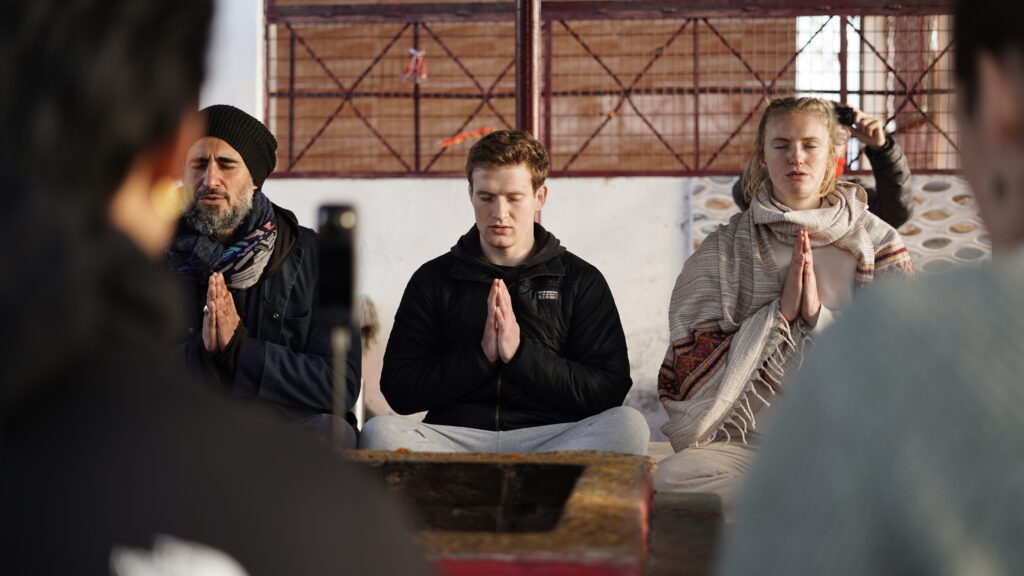
If you’re serious about deepening your pranayama practice, 8 Limbs Yoga School in Rishikesh is the perfect place to learn from experienced teachers and immerse yourself in the ancient art of breathwork.
1. Expert Guidance
Our certified pranayama instructors have years of experience and deep knowledge of breathwork techniques. They’ll guide you safely through advanced pranayama practices and help you avoid common mistakes.
2. Holistic Approach
At 8 Limbs Yoga School, we integrate pranayama into our yoga teacher training programs, ensuring you understand its connection to asanas, meditation, and philosophy. This holistic approach helps you experience the full benefits of pranayama.
3. Personalized Attention
We limit our batch sizes to ensure individual attention and a supportive learning environment. This allows our teachers to tailor pranayama practices to your unique needs and goals.
4. Serene and Inspiring Environment
Located in Tapovan, Rishikesh, our school offers a peaceful and spiritual environment for your pranayama practice. The Himalayan views and Ganges River create a calming atmosphere that enhances your breathwork.
5. Community and Support
At 8 Limbs Yoga School, you’ll join a community of like-minded yogis who are passionate about breathwork and self-discovery. This supportive environment will inspire and motivate you to deepening your pranayama practice.
Conclusion: Transform Your Life with Pranayama
Pranayama is a powerful, natural, and accessible tool that can transform your mind, body, and spirit. From reducing stress and anxiety to boosting energy and immunity, the benefits of daily pranayama are endless.
Whether you’re a beginner or an advanced practitioner, incorporating pranayama into your daily routine can elevate your well-being in profound ways. And if you’re ready to dive deeper, 8 Limbs Yoga School in Rishikesh offers the perfect environment to learn, grow, and master the art of breathwork.
🔗 Explore our programs and start your pranayama journey today!
FAQ: Benefits of Pranayama
Here are answers to some of the most frequently asked questions about pranayama:
1. What is pranayama?
Pranayama is the ancient yogic practice of breath control. It involves specific breathing techniques to regulate the flow of prana (life energy) in the body. The word “pranayama” comes from the Sanskrit words prana (life force) and ayama (control).
2. What are the main types of pranayama?
There are many types of pranayama, but some of the most common and effective include:
- Deep Belly Breathing (Diaphragmatic Breathing)
- Alternate Nostril Breathing (Nadi Shodhana)
- Breath of Fire (Kapalabhati)
- 4-7-8 Breathing
- Bhramari (Bee Breath)
- Ujjayi Breath (Victorious Breath)
- Sheetali/Sheetkari (Cooling Breath)
3. Can anyone practice pranayama?
Yes! Pranayama is safe for most people, including beginners. However, if you have respiratory conditions (e.g., asthma, COPD), heart problems, or high blood pressure, it’s best to consult a doctor or experienced yoga teacher before starting.
Tip: If you’re new to pranayama, start with simple techniques like Deep Belly Breathing and Alternate Nostril Breathing.
4. How often should I practice pranayama?
For best results, practice pranayama daily. Even 5–10 minutes a day can make a significant difference in your physical and mental well-being.
Suggested Routine:
- Morning: Breath of Fire or Kapalabhati to energize your body.
- Evening: 4-7-8 Breathing or Alternate Nostril Breathing to relax and unwind.
5. What is the best time to practice pranayama?
The best time to practice pranayama is:
- Early morning (Brahma Muhurta): Between 4:00 AM and 6:00 AM, when the air is fresh and the mind is calm.
- Evening: Before sunset, to release stress and prepare for rest.
Avoid practicing pranayama:
- Right after meals (wait 2–3 hours).
- When you’re sick or fatigued.
6. Can pranayama help with weight loss?
Yes! Pranayama boosts metabolism, improves digestion, and reduces stress (a major contributor to weight gain). Techniques like Breath of Fire (Kapalabhati) are especially effective for burning fat and detoxifying the body.
Tip: Combine pranayama with yoga asanas and a healthy diet for best results.
7. Can pranayama cure diseases?
While pranayama cannot cure diseases, it can support healing by:
- Boosting the immune system
- Reducing inflammation
- Improving respiratory and cardiovascular health
- Lowering stress and anxiety
Important: Pranayama should complement, not replace, medical treatment. Always consult a doctor for serious health conditions.
8. What are the precautions for pranayama?
While pranayama is generally safe, here are some precautions to keep in mind:
- Start slow: If you’re new to pranayama, begin with simple techniques and gradually increase duration.
- Avoid overdoing it: Forceful breathing (e.g., Breath of Fire) can cause dizziness or hyperventilation if done excessively.
- Practice on an empty stomach: Wait 2–3 hours after eating before practicing pranayama.
- Avoid if pregnant: Some pranayama techniques (e.g., Breath of Fire, Kapalabhati) are not recommended during pregnancy. Stick to gentle breathing exercises like Deep Belly Breathing.
- Listen to your body: If you feel dizzy, lightheaded, or uncomfortable, stop immediately and rest.
9. Can children practice pranayama?
Yes, children can practice pranayama, but it’s best to start with simple, gentle techniques like:
- Deep Belly Breathing
- Alternate Nostril Breathing (with guidance)
- Bhramari (Bee Breath)
Avoid advanced techniques like Breath of Fire for young children.
Tip: Make pranayama fun and engaging for kids by incorporating games or storytelling.
10. Where can I learn pranayama in Rishikesh?
Rishikesh is the perfect place to learn pranayama from experienced teachers. 8 Limbs Yoga School offers pranayama classes, workshops, and teacher training programs that cover:
- Foundational breathing techniques
- Advanced pranayama practices
- Integration with yoga asanas and meditation
🔗 Join Us to deepening your pranayama practice in the Yoga Capital of the World!
Leave a Reply